
Starting a beauty business is not always as glamorous as it sounds. One of the first significant challenges most retailers face is determining where to purchase wholesale makeup and who they can trust to supply it.
The beauty market is packed with competition, and finding genuine branded products isn’t always easy. On top of that, there’s the growing problem of counterfeit goods and the complicated web of UK and EU regulations that every seller has to follow.
That’s why learning how to source makeup wholesale safely isn’t just a smart move; it’s a must. In this guide, we’ll walk you through how to buy branded makeup wholesale in the UK and EU with confidence, so your business can build trust and stay profitable.
What Makeup Products Are Best for Retail Stores
The initial step in successful sourcing is carefully evaluating current market demand.
While a high-volume business might focus on budget-friendly, fast-moving consumer goods (FMCG) like Maybelline or Rimmel, a specialty boutique should prioritise mid-to-high-end brands with targeted appeals. The right product mix ensures your inventory aligns directly with your target customer's buying habits.
When looking for best makeup products, focus on these high-demand categories:
- Foundations, Concealers, Powders: This category establishes trust. Customers will pay a premium for a reliable foundation from a brand they know, so prioritise well-known brands that offer extensive shade ranges (40+ shades). It widens your market significantly and meets modern consumer expectations.
- Viral and Trending Products: Items that gain traction on platforms like TikTok (e.g., specific primers, cheek tints, or "no-makeup" looks) have a short shelf life but offer rapid, high-volume sales and attract younger buyers.
- Hybrid Skincare-Cosmetics: The "skinification" trend is here to stay. Products with active ingredients like Niacinamide, Hyaluronic Acid, or SPF integration justify higher price points and appeal to health-conscious consumers.
- The Classics: Always secure core stock of perennial best-sellers in the lip and eye categories (e.g., iconic red lipsticks, neutral eyeshadow palettes, and popular mascaras). These products provide a stable, reliable income base.
The Branded Advantage: It is critical to secure stock from reputable brands. Consumers trust established names, which greatly reduces your marketing risk and allows you to charge a competitive, yet profitable, retail price. The key to long-term profitability in makeup wholesale sourcing is marrying market trend awareness with guaranteed product authenticity.
For a detailed analysis of category margins, cosmetic trends, and in-depth product selection strategies, be sure to read our dedicated guide on Most Profitable Cosmetics to Sell on Amazon.
Where to Buy Wholesale Makeup in the UK and EU: Sourcing Channels
There are many ways to source makeup wholesale in the UK and the EU. Below, we have shared some of the best and trusted channels:
1. Specialised B2B Wholesale Marketplaces
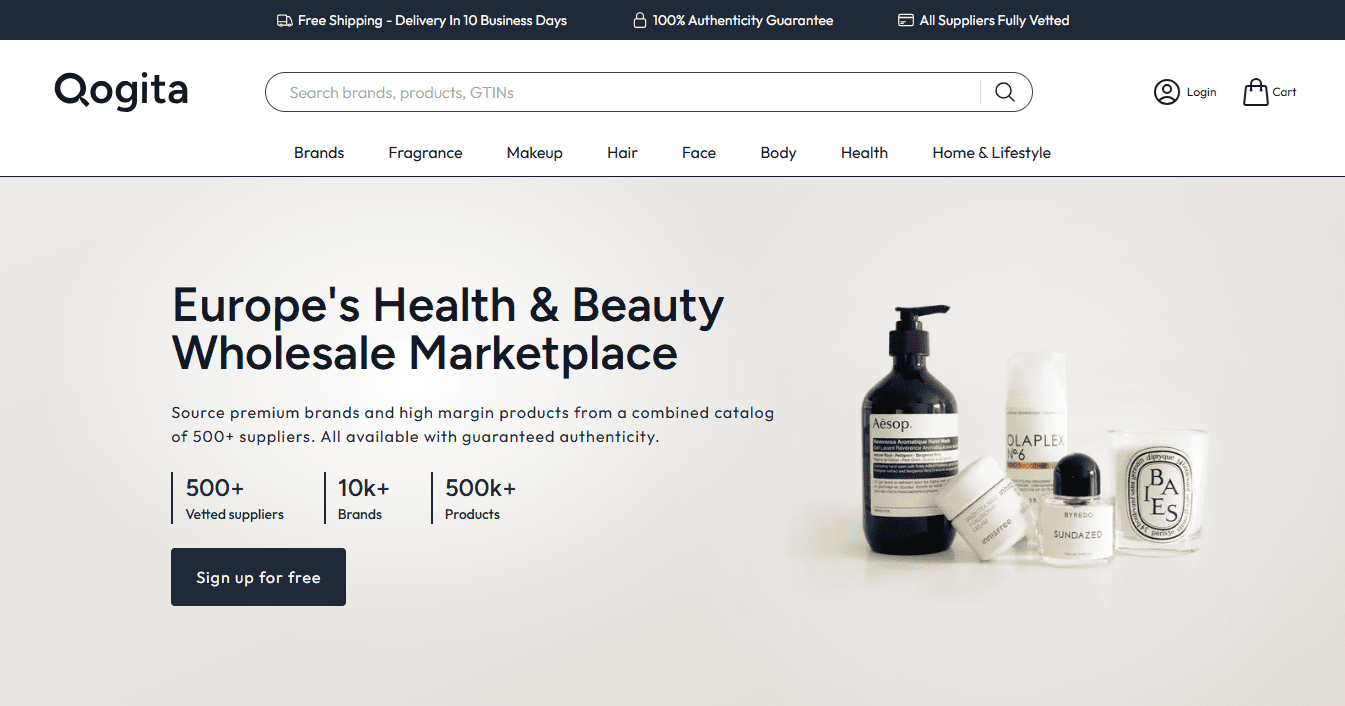
These platforms act as a central hub, connecting retailers with a large number of vetted suppliers, brands, and distributors. They offer unparalleled price and inventory transparency by allowing side-by-side comparison of multiple suppliers.
Qogita is a major wholesale platform specifically focused on the health and beauty sector in Europe. It offers premium brands and high-margin products from a combined catalogue of 500+ vetted suppliers. If you're looking for wholesale makeup products, you'll find over 60K on this platform alone.
Here are some of the benefits that Qogita offers:
- Unbeatable Wholesale Prices: Compare offers from 500+ wholesalers, brands, and distributors in one place.
- Low Minimum Orders: Qogita negotiates on your behalf to allow small businesses to access bulk prices.
- Guaranteed Authenticity: Products are from trusted suppliers, so you get 100% genuine items.
2. Official Distributors and Authorised Wholesalers
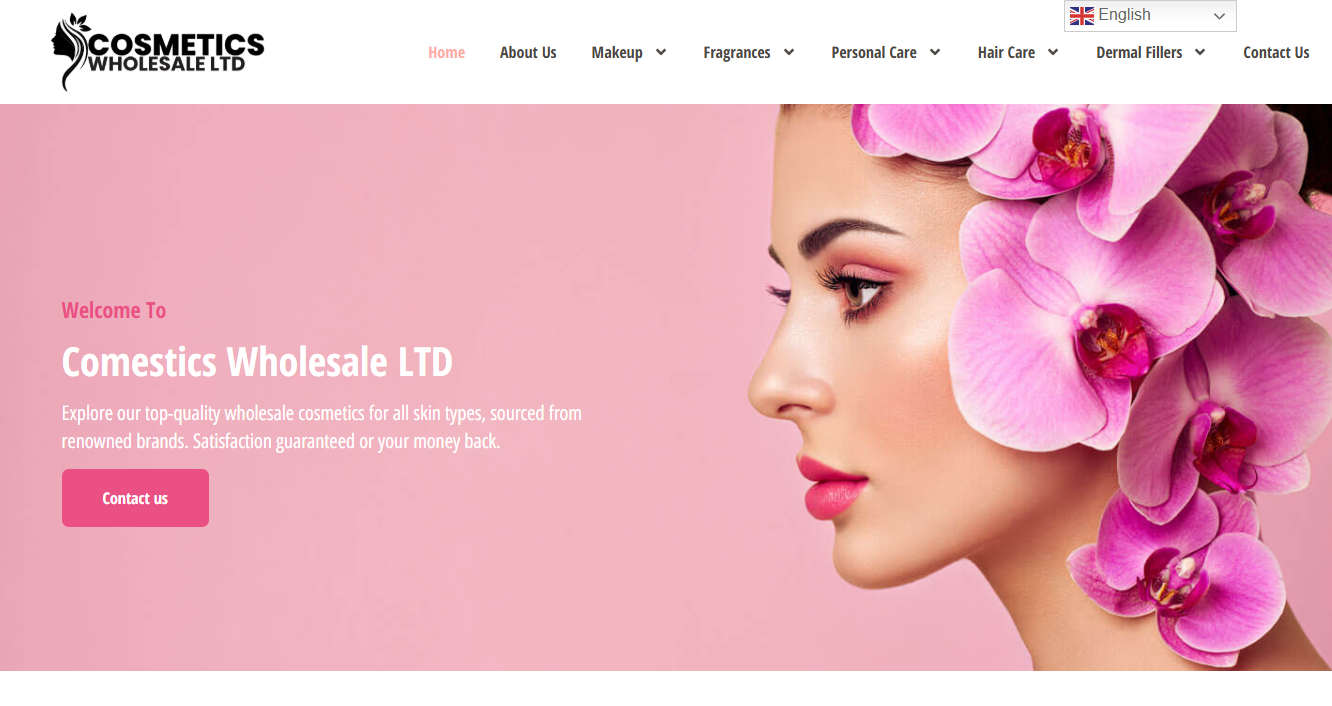
These are third-party companies officially appointed by the brand to distribute their products within a specific territory (e.g., the UK or EU). They act as the brand's logistics and sales arm for that region. Working with authorised wholesalers is crucial for ensuring product authenticity and a reliable supply chain, especially for branded makeup.
UK and EU-Based Wholesalers: Companies that specialise in distributing branded cosmetics and FMCG (Fast-Moving Consumer Goods). Many focus on bulk quantities and service various retailers, e-commerce businesses (often providing Amazon-approved invoices), and salons.
- Examples include: Cosmetics Wholesale LTD (London-based, authorised wholesaler for 60+ global brands), Luxury Beauty Wholesale (UK-based, members-only buying group with 150+ brands), and Apollo Wholesale (UK-based).
Global/Pan-European Distributors: Larger distributors like MinMaxDeals or Pharmazon Global often operate across Europe. They supply branded makeup, skincare, and fragrances with a focus on global logistics and compliance.
3. Direct Sourcing from Brands

This involves buying inventory straight from the brand owner or the factory that manufactures the product (bypassing all intermediaries). The core benefit is maximum profit margin and guaranteed authenticity. Direct sourcing provides the lowest possible Cost of Goods Sold (COGS) and allows access to the newest products.
However, brands often impose prohibitively high Minimum Order Values (MOVs), which block your capital.
How to Contact Brands Directly?
You need to contact the brand's sales or business development department. This usually requires:
- A registered business entity.
- A significant minimum order value (MOV).
- Proof of an established retail presence (physical store, e-commerce site, or marketplace seller account).
4. Attending Trade Shows
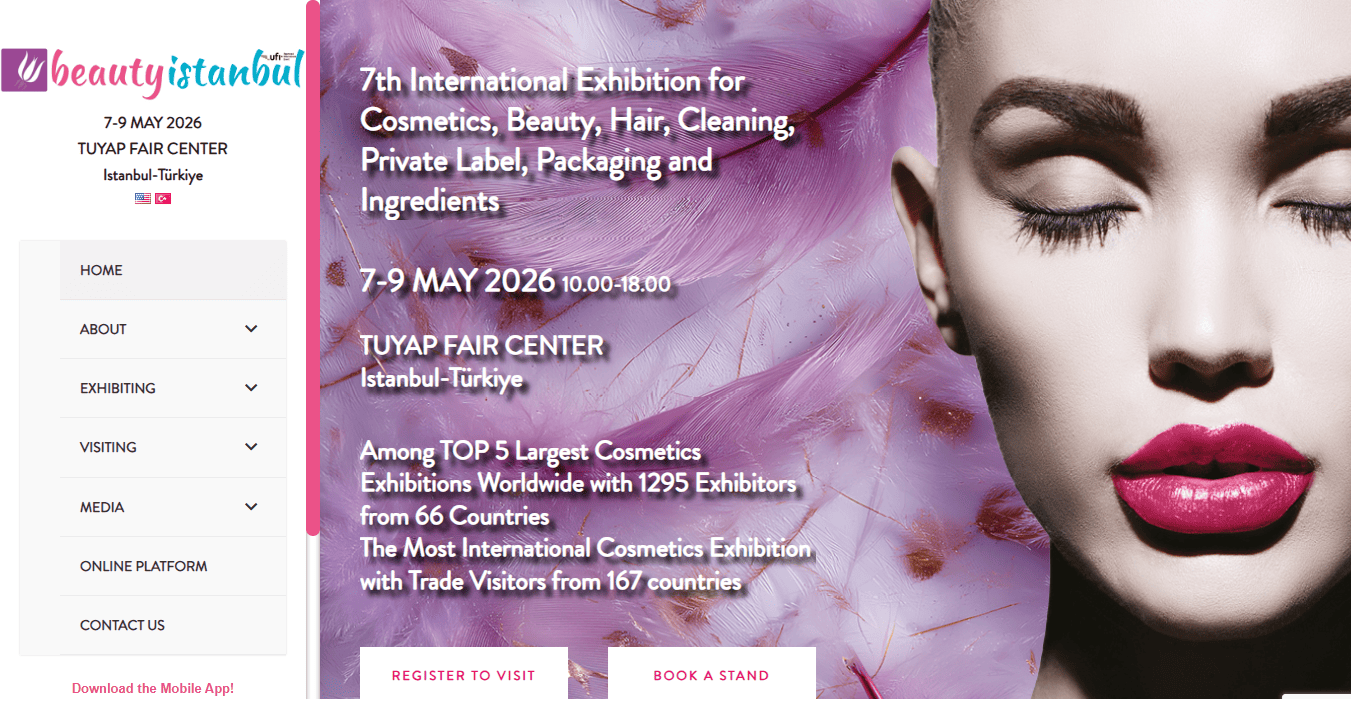
International and regional beauty trade exhibitions (like Beauty Istanbul, BeautyEurasia, or other major European shows) are another place to source wholesale makeup.
These are excellent places to meet brand representatives, discover new lines, and open direct or distributor accounts.
Buying Branded Makeup Wholesale from the UK vs. Abroad
The choice between a local (UK-based) supplier and an international (EU or global) one fundamentally impacts pricing, speed, and regulatory complexity. This decision is particularly critical post-Brexit.
1. Sourcing within the UK (UK-based Distributors/Wholesalers):
- Advantage: There are zero import duties or complex customs procedures for movements within Great Britain. Delivery is very fast, and invoicing is straightforward (only UK VAT rules apply).
- Disadvantage: Since UK distributors handle all import logistics and duties and include their margin, the final unit cost is generally the highest compared to other channels.
2. Sourcing from the EU (Post-Brexit Import to the UK):
- Advantage: You gain access to a wider variety of specialised EU distributors and often more competitive pricing than UK wholesalers, as you are buying closer to the source.
- Disadvantage: For goods valued above £135, you, the importer, must pay Customs Duty and Import VAT (20%) upon entry into the UK. This adds administrative burden, risk of customs delays, and can increase the final product cost by 20% to 40%.
3. Sourcing Globally:
- Advantage: Buying from factories in major production regions such as Asia can seriously reduce costs. This is true especially for white-label or private-label goods.
- Disadvantage: You have to manage all aspects of international shipping, quality control, and regulatory compliance. That means ensuring product ingredients meet both UK and EU cosmetic regulations, which requires deep expertise.
How to Identify Trusted Wholesale Makeup Suppliers
Getting trustworthy wholesale beauty suppliers is crucial, especially in an industry with a risk of counterfeits. Here is a guide on how to approach this process effectively.
1. Finding Legitimate Wholesale Suppliers
The search for reliable suppliers should focus on verifiable sources to minimise the risk of facing fake products or unauthorised resellers.
- Industry Trade Shows and Events: These are one of the most effective ways to vet suppliers. Events like Cosmoprof (Global, North America, Asia, etc.), in-cosmetics, and regional beauty shows (e.g., America's Beauty Show, Premiere Orlando) allow you to meet company representatives face-to-face.
- Official B2B Marketplaces and Directories: Use platforms specifically designed for business-to-business sourcing, such as Qogita, Beautetrade.com, or industry-specific directories. When using large platforms like Alibaba or Global Sources, exercise extreme caution and follow all verification steps, as these platforms can host both legitimate and fraud parties.
- Direct Contact with Brands: For branded products, the safest route is to contact the brand directly (the manufacturer) and ask for a list of their authorised wholesale distributors in your region. Purchasing outside of a brand's authorised network (known as "diversion") often voids any guarantees of product safety or authenticity.
- Networking and Referrals: Join industry-specific forums or online communities for beauty retailers and seek recommendations. Keep in mind that while referrals can be helpful, you must still conduct your own due diligence on every suggested supplier.
2. Vetting and Verification
Once you have a list of all your potential suppliers, thorough vetting is very important to confirm their legitimacy.
- Verify Business Credentials: A legitimate wholesaler should be able to provide clear and complete contact information, including a physical address (not just a P.O. box) and a phone number. Look up their business registration (where applicable) and check for a professional website that doesn't just look like a quickly built template.
- Request Samples and Place a Small Initial Order: Always request product samples before placing a large commitment. This allows you to perform a quality check on the product's appearance, texture, packaging, and performance. A legitimate wholesaler will usually agree to this, though they may charge a small fee for the sample.
- Check Reputation and Reviews: Search online for reviews, forum discussions, or any news articles related to the supplier. Be very careful of deals that are too good to be true, especially for high-end or in-demand branded products.
3. Critical Documentation for Compliance
Keeping the right paperwork is essential for proving that the products you sell are safe, legal, and authentic. Every retailer should ask suppliers for the necessary compliance documents and keep them on file as part of their Product Information File (PIF).
1. Safety Data Sheet (SDS) / Certificate of Analysis (CofA):
The Certificate of Analysis (CofA) is a batch-specific document that confirms the product or raw material meets its specified quality standards and identity tests.
The Safety Data Sheet (SDS) is used primarily for worker safety during the handling of raw materials, detailing any hazardous components. Make sure you have the most recent version because older versions may still be labeled as MSDS.
2. Compliance and Safety Reports:
For the finished cosmetic product, request a Cosmetic Product Safety Report (CPSR) or equivalent documentation that verifies the safety assessment of the final formulation.
Suppliers should also provide documentation proving adherence to Good Manufacturing Practices (GMP). It covers the quality control systems for manufacturing, testing, and handling.
3. Intellectual Property and Packaging Declarations:
Request a declaration of compliance for packaging materials to ensure they are safe and compatible with the cosmetic ingredients.
If you are selling branded goods, the most crucial document is proof that the supplier is an authorised distributor of the brand, confirming the authenticity and legal sourcing of the products.
Is Buying Wholesale Makeup Profitable?
Buying wholesale makeup is highly profitable. It creates a wide margin between your low purchase price and your retail selling price, often securing products at 40% to 60% below retail.
Retail profit margins generally sit between 20% and 50%, with luxury or unique items often reaching the higher end. To capitalise on this, you must strategically select products with high market demand and reliable profit potential.
Sustained profitability requires managing all operational expenses beyond the initial product cost, including storage, shipping, and sales channel fees.
Tip: Do not let high-margin products sit in inventory, as high inventory turnover is essential to keep capital flowing.
Conclusion
Buying branded makeup wholesale in the UK and EU is not only about finding competitive prices but also about making sure that every product you sell is safe and compliant.
Every single cosmetic item must have a designated Responsible Person and a complete Product Information File that includes an approved safety assessment.
Working with trusted platforms like Qogita helps simplify this process by offering 500+ verified suppliers and 100% authenticity. In the end, compliance and transparent sourcing are what keep your business credible and legally secure.
FAQs
How Can I Verify That the Branded Makeup I Buy Is Genuine?
Only buy from authorized distributors or the brand directly. Scrutinise the packaging for inconsistent logos, poor print quality, spelling errors, and verify if the product has the required EU/UK regulatory labels.
What Is a ‘Responsible Person’ and Do I Need One?
A 'Responsible Person' is a legal entity (individual or company) based in the UK/EU who ensures your cosmetic product complies with local safety and regulatory laws before and while it is on the market. Yes, it is mandatory for cosmetics sold in the UK/EU.
Do You Need a License to Sell Cosmetics in the UK?
You do not need a traditional selling license, but you must comply with UK Cosmetic Regulations. This includes appointing a Responsible Person, getting a Cosmetic Product Safety Report (CPSR), and notifying the product on the SCPN portal.
How Can I Compete With Competitors in Finding a Wholesaler?
Focus on building strong relationships with a few select, trusted suppliers to secure better terms and access to exclusive stock. Research trade shows, B2B platforms, and brand-authorized distributors outside of your competitors' main channels.
How Many Wholesalers Do I Need for My Online Makeup Business?
You should aim for a diverse network of a few reliable suppliers (e.g., brand-authorised and general wholesalers). This mitigates the risk of stock shortages and allows you to source a wider variety of makeup wholesale products competitively.