
The retail world is changing fast. In 2026, more shoppers are looking for ways to save money while still getting quality items. Industry reports show that the global wholesale market is on track to hit $73.13 trillion by 2029.
This growth means there are more opportunities than ever for small business owners to find wholesale products for resale that fit a tight budget.
In this guide, we will look at how to find cheap wholesale products for resale that people actually want to buy. Whether you are looking for wholesale beauty and skincare products or for cheap wholesale healthcare products, the goal is the same. You want to buy in bulk at a low cost so you can provide value to your customers and keep a steady profit for yourself.
Let’s get started.
What are Cheap Wholesale Products?
In simple terms, cheap wholesale products for resale are items that you buy in large quantities at a low price from a maker or a distributor.
Instead of buying one item at a time like a regular shopper, you buy in bulk. Because you are buying hundreds or thousands of units at once, the cost per item is much lower.
When we talk about "cheap" products, we are not talking about low quality. We are talking about items that are inexpensive to make but have a high perceived value. This means the customer feels they are getting a great deal, even if you only paid a small amount for the item.
Common examples of cheap wholesale bulk items include:
- Beauty accessories: Items like makeup sponges or nail files that cost pennies to buy but sell for several dollars.
- Phone accessories: Charging cables and screen protectors are always in demand.
- Seasonal goods: Holiday gift sets that people buy quickly.
The goal of this business model is to be the middleman. You buy products at wholesale prices, add a markup, and sell them to end consumers at retail prices. This gap between your buying price and your selling price is where you make your money.
Advantages of Selling Cheap Wholesale Products
Selling low-cost items has some major benefits, especially for those just starting out this year:
Big Profit Margins
When you buy wholesale products for resale at a very low cost, your potential for profit is much higher. Specialty products like phone accessories or small home gadgets often have profit margins of 50% to 200%.
For example, if you buy a phone case for $0.50 and sell it for $10.00, your margin is huge compared to selling expensive electronics, where the profit might only be a small percentage of the total price.
Medium Price Points
Most cheap wholesale items fall into a medium retail price range, usually between $10 and $30. This is a sweet spot for shoppers. Many experts believe that consumers are more likely to make impulse buys in this price range. Because the cost is low, customers often buy these items without thinking too much, which leads to faster sales for your business.
Outsourced Production
One of the best parts of reselling is that you do not have to make anything yourself. The manufacturing, testing, and packaging are already done by the supplier. This allows you to bypass the years of work it takes to develop a new product and go straight to the selling phase.
Volume Discounts
The rule of wholesale is simple: the more you buy, the less you pay. Most suppliers offer deeper discounts as your order size grows. Many B2B platforms offer tiered pricing, where buying 1,000 units instead of 100 can reduce your per-unit cost by 10% to 15%, instantly increasing your take-home profit.
Disadvantages of Selling Cheap Wholesale Products
While the rewards can be high, selling cheap wholesale products for resale also comes with specific challenges that you need to plan ahead:
High Upfront Inventory Costs
Even though the price per item is low, you usually still need to place a large order upfront. That’s because most wholesale suppliers set a Minimum Order Value (MOV).
For example, if a supplier has a €2,000 MOV and sells an item for €2, you’ll need to order at least 1,000 units before you can check out. That means paying €2,000 before you make your first sale, which can put real pressure on your cash flow when you’re just starting out.
Luckily, platforms like Qogita solve this by offering low minimum order values, with MOVs starting from just €300.
Storage and Warehousing Problems
Buying cheap wholesale bulk items means you will have a lot of physical boxes to manage. According to recent logistics reports, warehouse rental costs have risen by about 3% to 4% globally in the last year.
If you are selling from home, you might run out of space quickly. If you use a warehouse, those monthly fees can eat into your profits if the products don't sell quickly.
Inventory Management Complexity
It is easy to lose track of thousands of small items. Many resellers use software to keep count, but it still takes a lot of work to organize, label, and track every piece. If you miscalculate your stock, you might end up with dead stock (items that won't sell) or run out of a popular item right when demand is highest.
Thin Profit Margins Require High Volumes
To make a meaningful income, you have to sell a lot of units. If your profit on a single item is only $1 or $2, you need to sell thousands of items every month to cover your bills. This means you have to spend more time on marketing and shipping to keep the orders moving constantly.
Best Cheap Wholesale Products To Sell in 2026
Choosing the right products is the most important step for your reselling business. Here are the top categories for cheap wholesale products for resale:
1. Beauty and Skincare Products
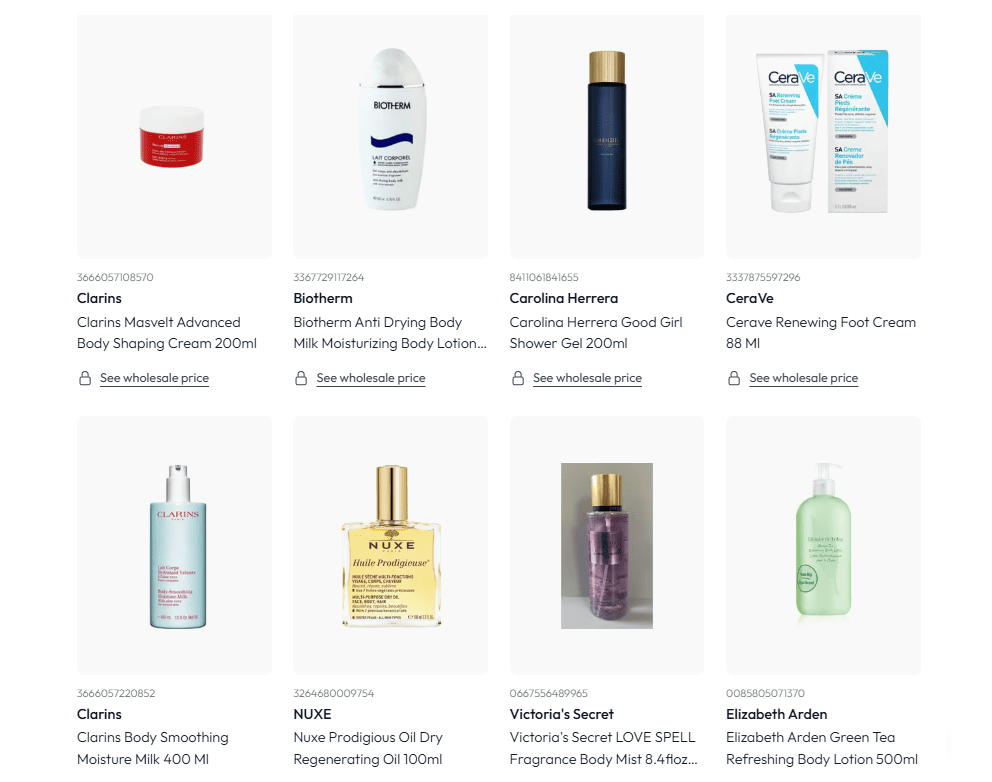
The beauty industry remains one of the most resilient sectors for resellers. According to reports, the global skincare market is projected to reach over $178.63 billion.
This growth is driven by the "lipstick effect," where consumers continue to buy small, affordable luxuries even when the economy is tight. This trend, often called "treatonomics," makes beauty items perfect for high-volume sales.
Tariffs are currently a major factor in 2026, with some import duties on products sourced from China reaching an average of 25.8%. Successful brands are adapting by finding domestic suppliers or sourcing tariff-resilient alternatives that keep per-unit costs under $3. Because these items are small and light, you can store thousands of units in a very small space, reducing your overhead.
Clean beauty is a major subcategory this year. Shoppers are actively looking for paraben-free and sulfate-free products. If you can source certified organic or natural ingredients, you can tap into a market where customers reorder regularly once they find a formula that works for them.
2. Vitamins and Supplements
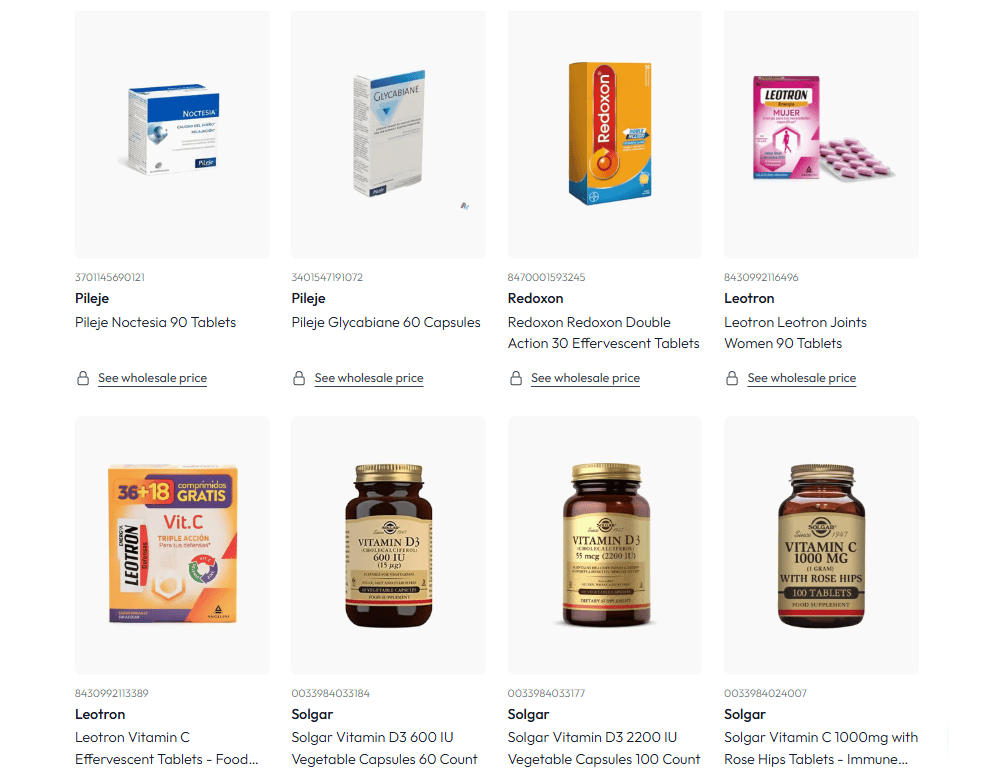
The health and wellness sector is booming, with the global dietary supplements market projected to hit $188.14 billion in 2026. This category is a favorite for resellers because products are lightweight, easy to store, and move quickly.
In 2026, the trend has shifted from general health to "targeted wellness," where shoppers seek specific solutions for sleep, stress, and focus.
One of the biggest drivers this year is the rise of gummy supplements. Mental health awareness has made stress-relief gummies containing ingredients like ashwagandha and L-theanine some of the fastest-growing items, especially among Gen Z.
These products are often seen as daily micro-treats rather than medicine, which encourages repeat purchases. Additionally, as more people use weight-management medications like GLP-1, there is a massive new demand for companion supplements that support muscle retention and gut health.
For resellers, supplements offer a major advantage in terms of logistics. Most vitamins have a shelf life of 2 to 3 years, reducing the risk of your inventory expiring. Since 47% of global consumers now use supplements twice a week, you are tapping into a market built on long-term habits.
3. Jewelry and Accessories
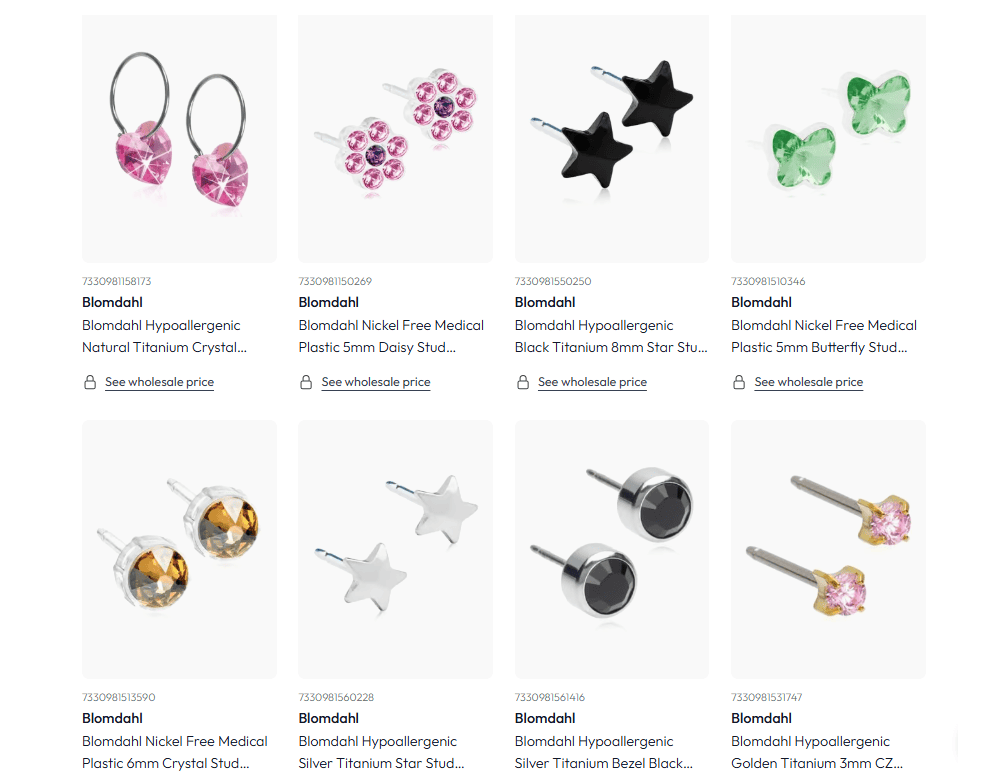
The jewelry market is a goldmine for resellers, with the global industry projected to reach $254.13 billion this year. This category offers some of the highest perceived value in retail. You can often source a minimalist gold-plated necklace for under $2 and sell it for $20 or more. Because these items are tiny, a $5,000 inventory investment can fit inside a single closet while potentially generating over $20,000 in sales.
The "stacking and layering" trend is driving massive volume. Shoppers are no longer buying one statement piece; they are buying three or four smaller rings and necklaces to wear at once. This behavior naturally increases your average order value.
Additionally, the men’s jewelry segment is exploding, expected to hit approximately $53.38 billion this year. Products like simple silver chains, beaded bracelets, and signet rings are moving fast as male consumers embrace jewelry as a daily staple.
4. Home Fragrance
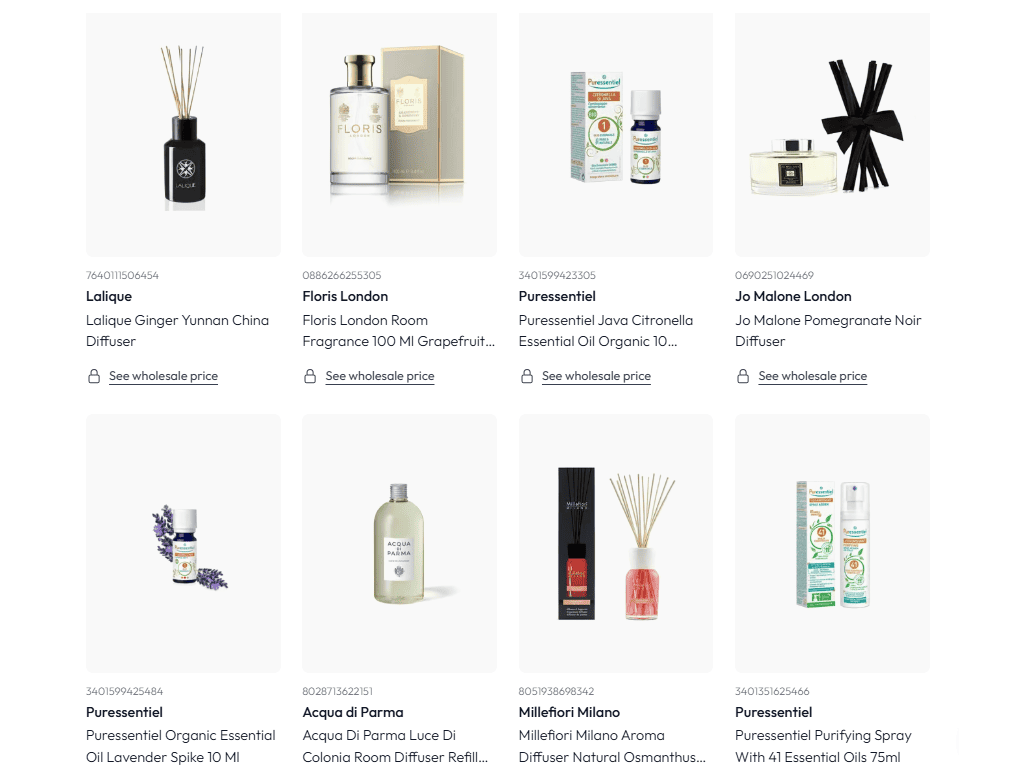
The global home fragrance market is projected to reach $11.2 billion in 2026. Scent has become a strategic part of home decor, with the mass-market segment holding a dominant 63.6% share of the total market. Simply put, there is a huge opportunity to sell affordable items that still feel premium.
Scented candles are the fastest-growing category, expected to grow at a 7.2% CAGR through 2031. Shoppers are moving toward "clean luxury," looking for phthalate-free wax and sculptural holders that act as decor pieces.
The residential diffuser market is also booming as more people use essential oils for stress relief. Ultrasonic and reed diffusers are the most popular because they offer a set-and-forget way to keep a home smelling fresh.
5. Bathroom and Household Supplies
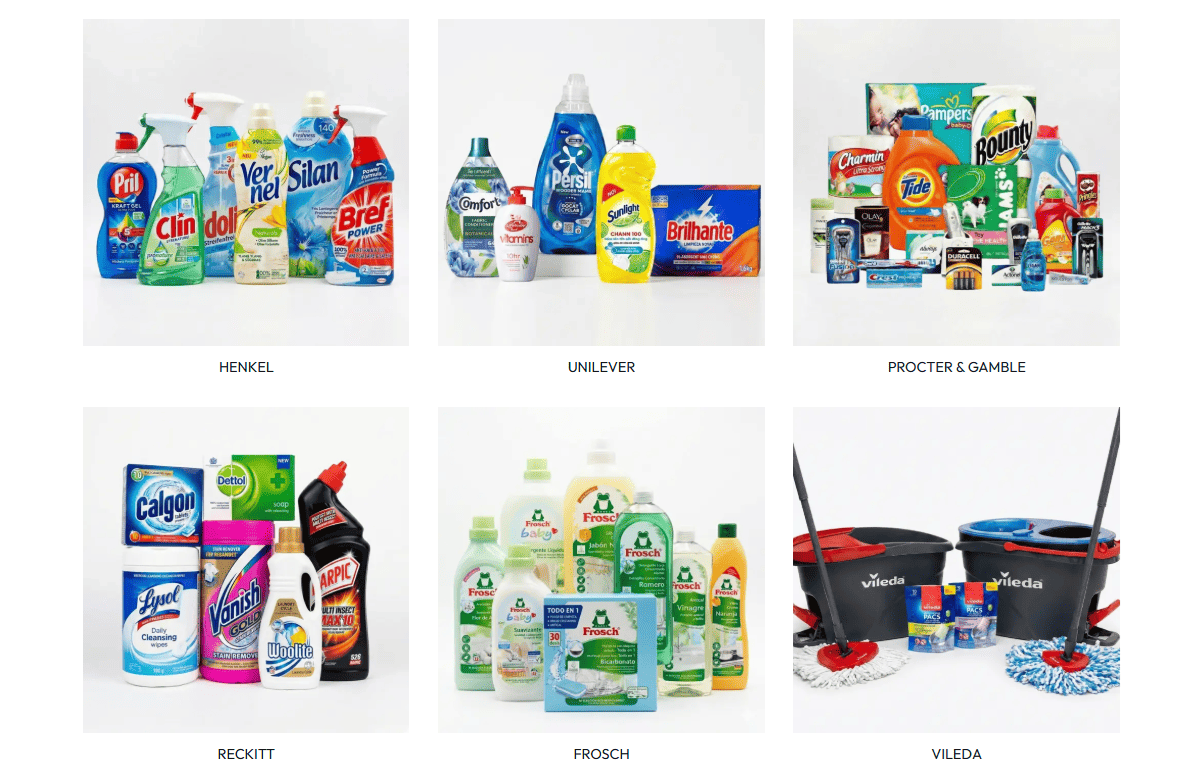
Bathroom accessories are projected to grow at a rapid 10.5% CAGR through 2026. This growth is fueled by mini-renovations, where people update their spaces with small, low-cost upgrades rather than expensive construction.
Items like toiletries bags, soap dispensers, and lotion pumps are high-demand, cheap wholesale products for resale. Shoppers are moving away from mismatched plastic bottles toward cohesive sets in black, white, or rose gold (the most popular color trends of 2026).
Essential cleaning products like liquid laundry detergent and bleach are high-volume, stable sellers. The laundry care market alone is expected to hit $154.72 billion in 2032. There is a specific opportunity in green household supplies, as 60% of households now prefer organic or eco-friendly detergents free of harsh chemicals.
6. Seasonal and Trending Products
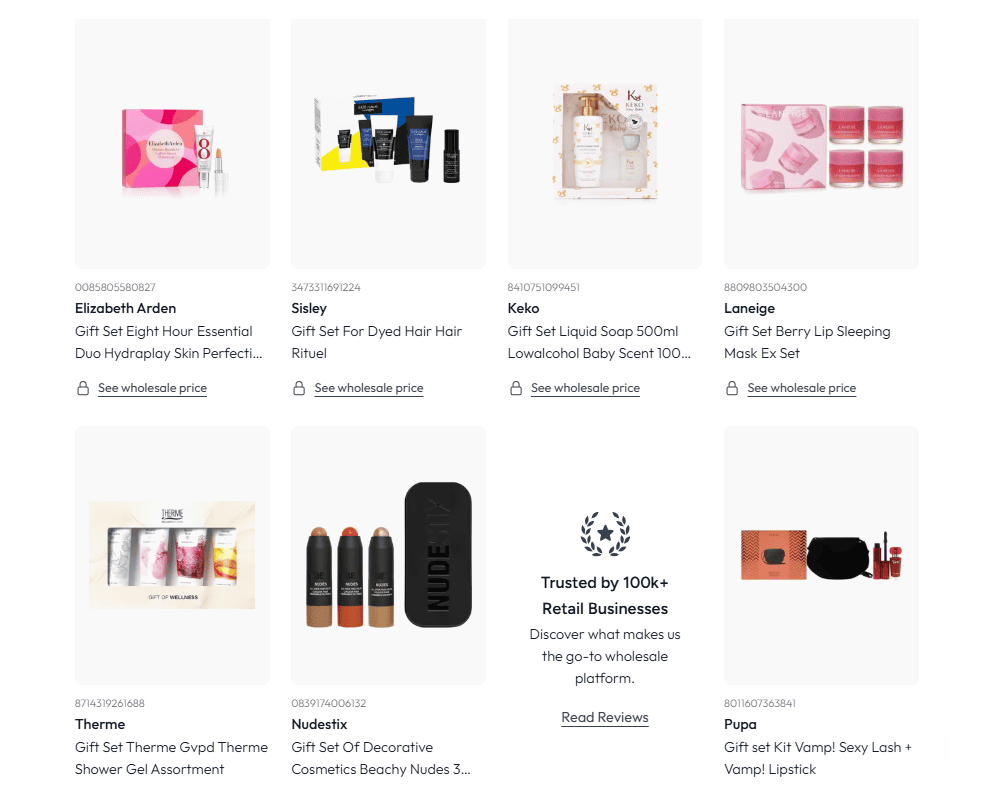
Seasonal and trending products are essential for any resale business because they generate rapid cash flow. While categories like skincare are steady, these items tap into "emotional" and "event-based" spending, where customers are ready to buy immediately.
Why These Products Work
- High Sales Velocity: These items sell much faster than evergreen products because they have a clear deadline (like a holiday) or massive social media buzz.
- Lower Customer Acquisition Cost: You don't have to convince people they need these items; the trend or the season does the marketing for you.
- The "Treatonomics" Effect: Shoppers are looking for small, affordable ways to treat themselves. Seasonal items often fall into the $10–$25 price range, which is perfect for impulse purchases.
What to Sell in 2026
- Holiday Perfume Gift Sets: Perfume remains a top gift choice, with sales jumping by 40% in Q4. Dupe sets and discovery kits with berry and soft fruit notes are particularly popular.
- Viral Beauty Tools: Items like powdered face masks or magnetic eyelashes often trend on social media. These are lightweight, making them cheap wholesale products for resale that are easy to ship.
- Self-Care Bundles: Packaging face masks, scented candles, and "midi" rings into a themed box (e.g., a "Winter Wellness" kit) increases your average order value and makes for an easy gift.
Where to Buy Wholesale Products for Resale
Finding a reliable supplier is the backbone of a successful reselling business. Whether you are looking for local convenience or the lowest global prices, there are three main avenues to explore.
Online B2B Marketplaces
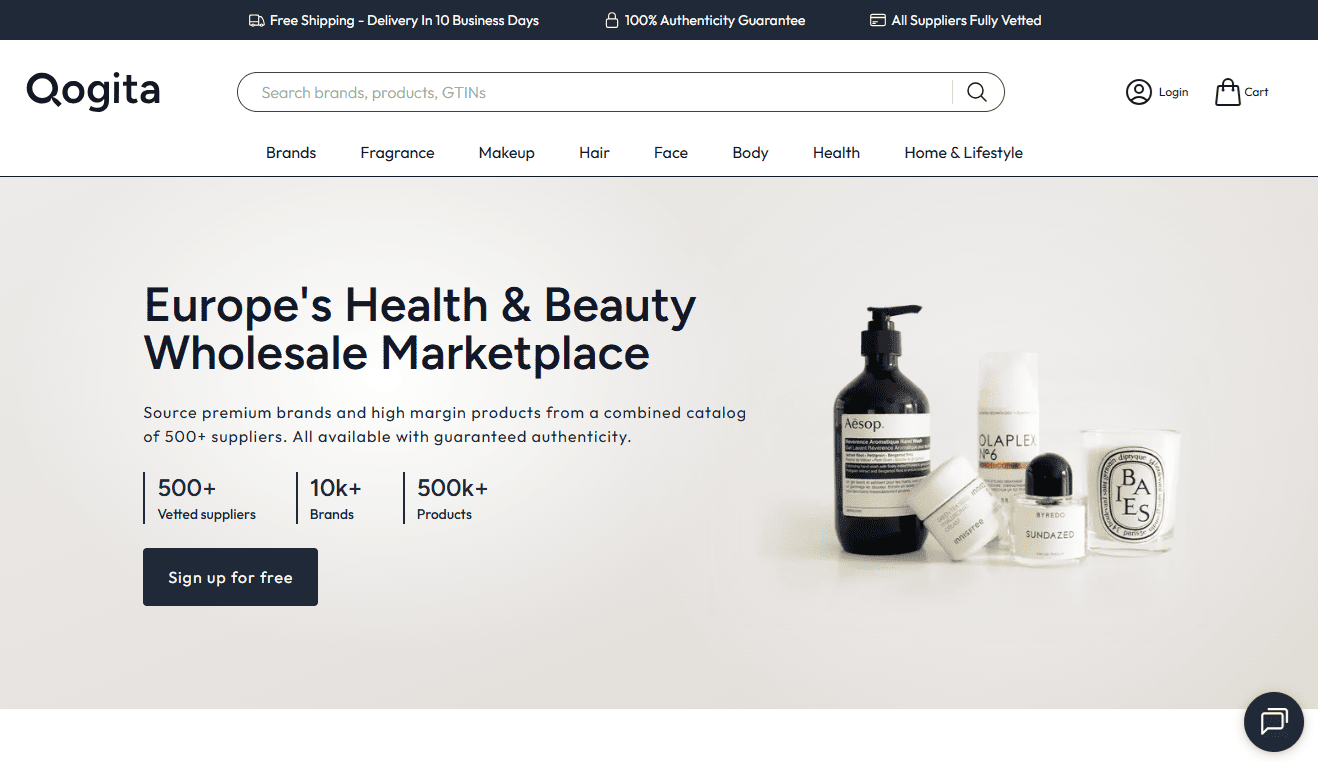
Digital platforms have made it incredibly easy to browse thousands of suppliers from your phone or laptop. These sites often include buyer protection and verified reviews to help you shop with confidence.
- Qogita: This is a leading choice for beauty and wellness products. It connects you to over 500 vetted suppliers with a low minimum order value of around €300, making it perfect for smaller businesses.
- Faire: Best for finding unique, independent brands for home decor and jewelry. It offers helpful perks, like 60-day payment terms, that let you sell the items before you even pay for them.
- Alibaba: If your goal is to find the absolute lowest per-unit cost for bulk items, this is the go-to platform. It connects you directly with manufacturers, though you should always check for "Trade Assurance" to protect your payment.
Domestic Wholesalers and Trade Shows
Sourcing from within your own country can save you a lot of headaches regarding shipping times and import taxes.
- Trade Shows: Visiting events like Spring Fair or Cosmoprof allows you to touch and feel products before buying. Meeting a supplier face-to-face is also the best way to negotiate better pricing and build a long-term partnership.
- Local Wholesalers: Buying from a distributor in your region often means you can get stock delivered in just a few days. This is a massive advantage when a product suddenly goes viral, and you need to restock quickly to keep up with demand.
Liquidation and Overstock
For those looking for brand-name items at a fraction of the retail cost, liquidation is an excellent path.
- Liquidation Pallets: Many large retailers sell off their overstock or returned items in bulk pallets. While this requires more effort to sort and inspect, it can lead to massive profit margins if you find high-demand electronics or designer accessories.
- Directories: Sites like Wholesale Central act as a massive phonebook for verified wholesalers. They don't take a cut of the sale; they simply point you toward reputable companies in your specific niche.
How to Choose and Buy Cheap Wholesale Products for Resale
Finding cheap wholesale products is easy. Finding the right ones is not. To build a profitable resale business, you need to think beyond price and focus on products that sell consistently, deliver healthy margins, and match real market demand.
1. Research the Demand
Before spending a penny, you must confirm that people actually want what you are buying. Use tools like Google Trends or social media top-seller lists to see what is rising in popularity.
As we said before, in the current market, "treatonomics" is a major driver, meaning consumers are actively looking for small, affordable indulgences. If a product has high search volume but low competition, it is a prime candidate for resale.
2. Calculate Your Landed Cost
The wholesale price on a website is never your final cost. To find your true landed cost, you must add:
- The price of the product.
- Shipping and freight charges.
- Customs duties or tariffs (which can be as high as 25.8% for certain imports).
- Packaging and labeling charges.
After calculations, compare the amount to the average retail price. If you can’t realistically achieve a 30–50% margin after expenses, the product is not worth the risk.
3. Start with Samples
Never place a bulk order without seeing a sample first. This is a non-negotiable step to verify the quality. When the product sample arrives, test it for durability and functionality. Does the jewelry tarnish? Does the electronic gadget actually work? Is the product of good quality? Does it deliver what it says?
A cheap product that breaks will lead to returns and bad reviews, which can destroy your business faster than a high price point ever could.
4. Understand the MOV
Many wholesalers use a Minimum Order Value (MOV). This is the lowest amount you must spend to place an order.
For example, a supplier might have an MOV of €200. This is often better for new resellers than a high unit-count requirement because it allows you to mix and match different items to hit that total. Always ask if the MOV can be lowered for a trial order to help you test the market.
Common Mistakes to Avoid When Buying Cheap Wholesale Products for Resale
Even experienced resellers can run into trouble if they aren't careful. Avoiding these common traps can save you thousands of dollars and protect your brand reputation.
Over-ordering Inventory
It is tempting to buy a large number of shares to get the biggest discount, but this is a major risk. Overstocking is a leading cause of financial strain for small businesses.
If you buy 5,000 units of a trending item and the trend dies two weeks later, you are left with "dead stock" that ties up your cash and takes up expensive warehouse space. Always start with smaller orders to test the real-world demand.
Failing to Check Supplier Credibility
With so many new B2B platforms, it is easier for scammers to set up professional-looking websites. A major red flag is a supplier that only accepts non-refundable payments like wire transfers or cryptocurrency. Legitimate wholesalers like Qogita will usually accept credit cards or escrow services like Alibaba Trade Assurance.
Always cross-check their business license and verify their physical address on Google Maps to ensure they are a real company.
Not Doing Proper Research
Many resellers make the mistake of buying what they like instead of what the market wants. In the world of reselling, data is your best friend. If you don't check the competition and the current search volume on tools like Google Trends, you might enter a market that is already too crowded.
Proper research helps you find the sweet spot where demand is high, but few sellers offer a high-quality version of the product.
Conclusion
Building a retail business takes more than just picking a product and hoping for the best. It's about finding that balance between what’s trending and what people actually need every day. If you stay on top of your costs and keep a close eye on quality, you're already ahead of most.
Using a B2B wholesale platform like Qogita takes the pressure off you. You get access to thousands of authentic health and beauty brands with a low MOV, so you can test the waters without risking a fortune. Keep it simple, start small, and scale up as you see what works.
Cheap Wholesale Products for Resale FAQs
Is it legal to buy wholesale and resell?
Yes, it is perfectly legal to buy and resell goods. You generally just need a business license and a resale certificate (or wholesale license) to ensure you aren't paying sales tax on the initial purchase.
What is the best wholesale item to sell?
Beauty products, small electronics, and home fragrances are top choices because they have high demand and low shipping costs. Specifically, consumable items like skincare or supplements are great for generating repeat customers.
What is cheaper, wholesale or resale?
Wholesale is significantly cheaper because you are buying in bulk directly from a distributor or manufacturer. Resale prices are higher because they include a markup to cover the seller's overhead, marketing, and profit.
Where do resellers get inventory?
Resellers typically source from B2B marketplaces, liquidation auctions, and local wholesalers. Many also use retail arbitrage (that’s buying clearance items from big-box stores to flip for a profit online).
Where can I find suppliers for reselling?
Platforms like Qogita are excellent for beauty and health brands, while Alibaba and Faire cover general merchandise and handmade goods. Trade shows are also a great way to meet verified suppliers and inspect product quality in person.
Do I need an LLC to buy wholesale?
You don't strictly need an LLC, as you can buy wholesale as a sole proprietor. However, most wholesalers will require a resale permit or tax ID to prove you are a legitimate business before they grant you wholesale pricing.
Can I buy in bulk and resell?
Absolutely, buying in bulk is the most common way to scale a reselling business. Purchasing larger quantities lowers your cost per unit, which directly increases your profit margins when you sell the items individually.