
Not sure which business model is the smarter way to start selling online? Many new sellers compare dropshipping vs wholesale because both offer a path into ecommerce without manufacturing products.
At first glance, they seem similar, but their operations, required investment, and profit potential differ significantly. One model focuses on minimal upfront costs and simple setup, while the other offers stronger margins and more control over inventory.
Knowing the difference between wholesale and dropshipping helps you choose a strategy that matches your budget, resources, and long-term plans. This guide explains how each model works, so you can decide which one best fits your business goals.
What is Dropshipping?
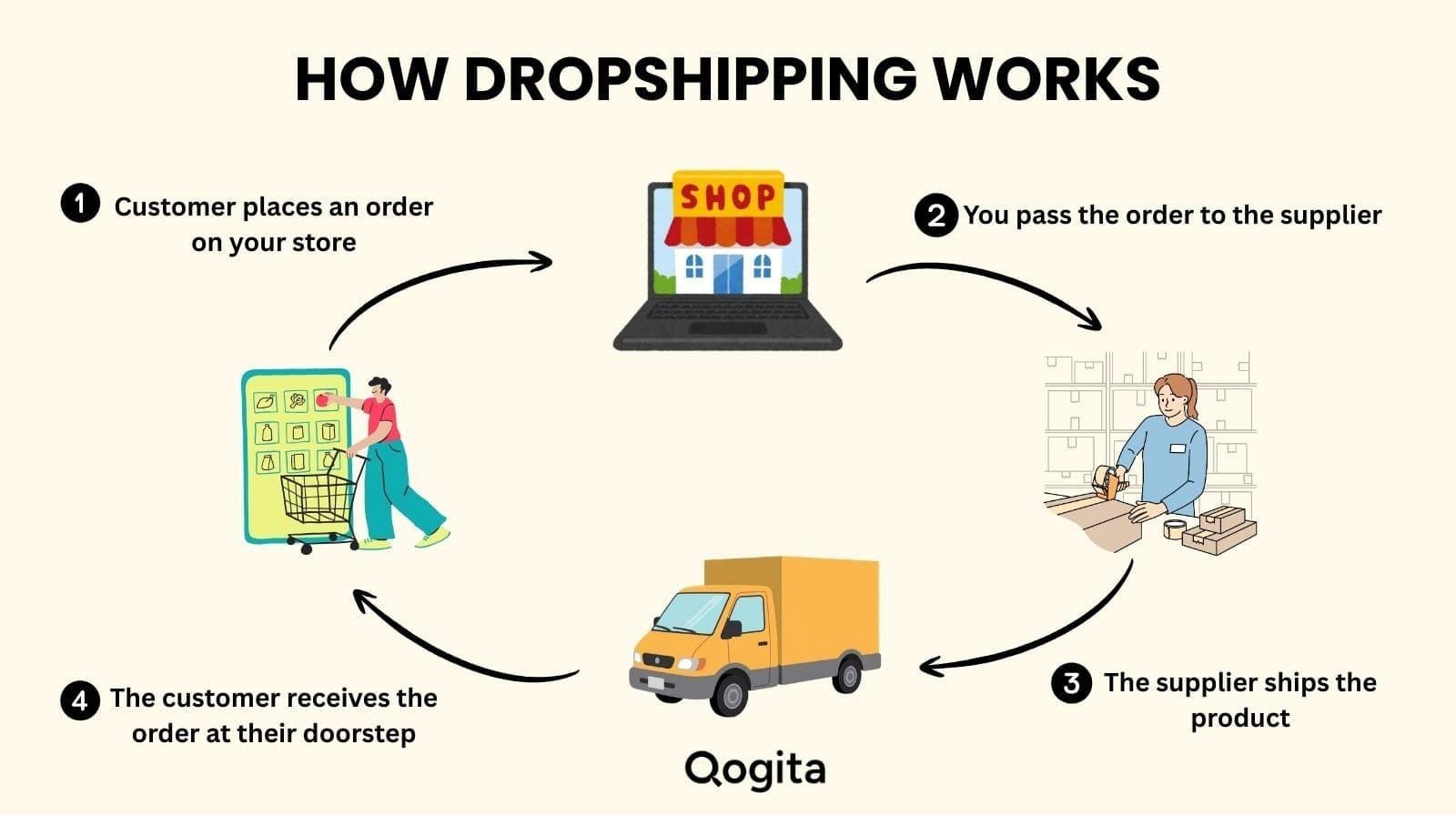
Dropshipping is a business model in which you do not keep any inventory. Instead of buying products in bulk, you only buy an item when a customer makes a purchase. In this setup, you partner with dropshipping suppliers who manage the inventory for you.
Here is how the process works:
- You set up an online store and list products from a supplier.
- A shopper visits your store and buys a product at a retail price.
- You then forward the order details and pay the supplier a lower price for that item.
- The supplier packs the item and ships it directly to the customer.
To make this easy, most sellers use apps that connect their store to suppliers automatically. Some of the most popular apps include DSers (for AliExpress), CJ Dropshipping, Zendrop, and Spocket. These tools help you find products and place orders with your suppliers in just a few clicks.
For example, imagine you sell yoga mats for $50 on your website. When someone buys one, you use an app like DSers to pay your supplier $20 to ship it to the customer. You keep the $30 difference as profit.
Since you never touch the product, your main job is marketing and customer service. This makes dropshipping vs wholesale a popular debate for people who want to start a business with very little money.
What is Wholesale?
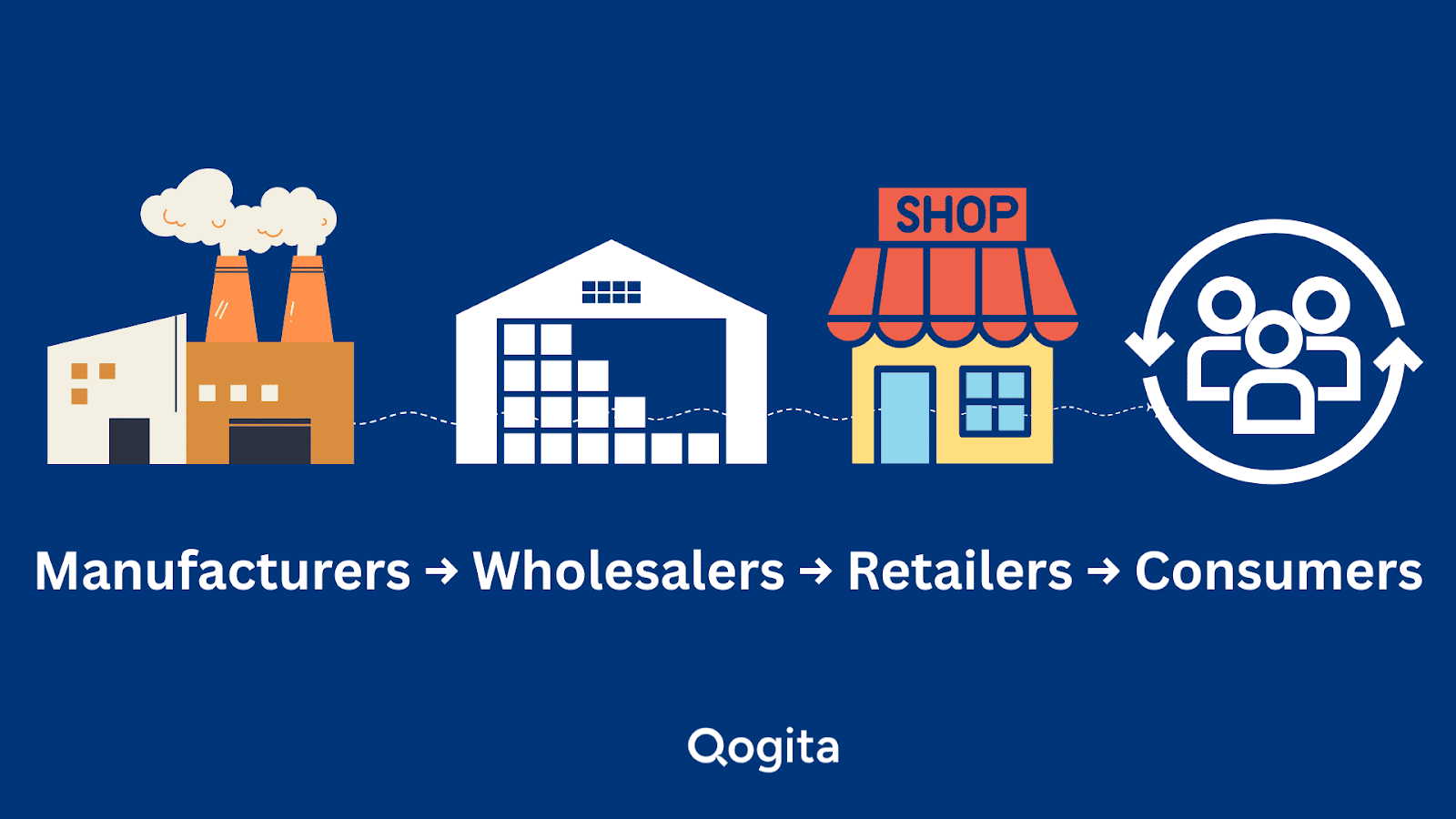
Wholesale is a traditional business model where you buy products in large quantities at a discounted price. Instead of buying one item at a time, you purchase hundreds or thousands of units upfront. This allows you to get the lowest possible price per unit from wholesale suppliers.
Here is how the wholesale process works:
- You research products and find a manufacturer or a large distributor.
- You buy a large stock of items and pay for them immediately.
- You store these products in your own home, a garage, or a rented warehouse.
- When a customer buys from your website, you pick, pack, and ship the item yourself.
For example, you might buy 200 water bottles for $5 each from a supplier. You spend $1,000 upfront and store them in your spare room. You then list them on your website for $20 each. Every time a customer orders, you put the bottle in a box and mail it to them.
When comparing wholesale vs dropshipping, the main difference is who holds the items. In wholesale, you own the inventory and take the risk if the products do not sell. However, because you bought them in bulk, your profit per sale is usually much higher.
Dropshipping Vs Wholesale: Side-By-Side Differences
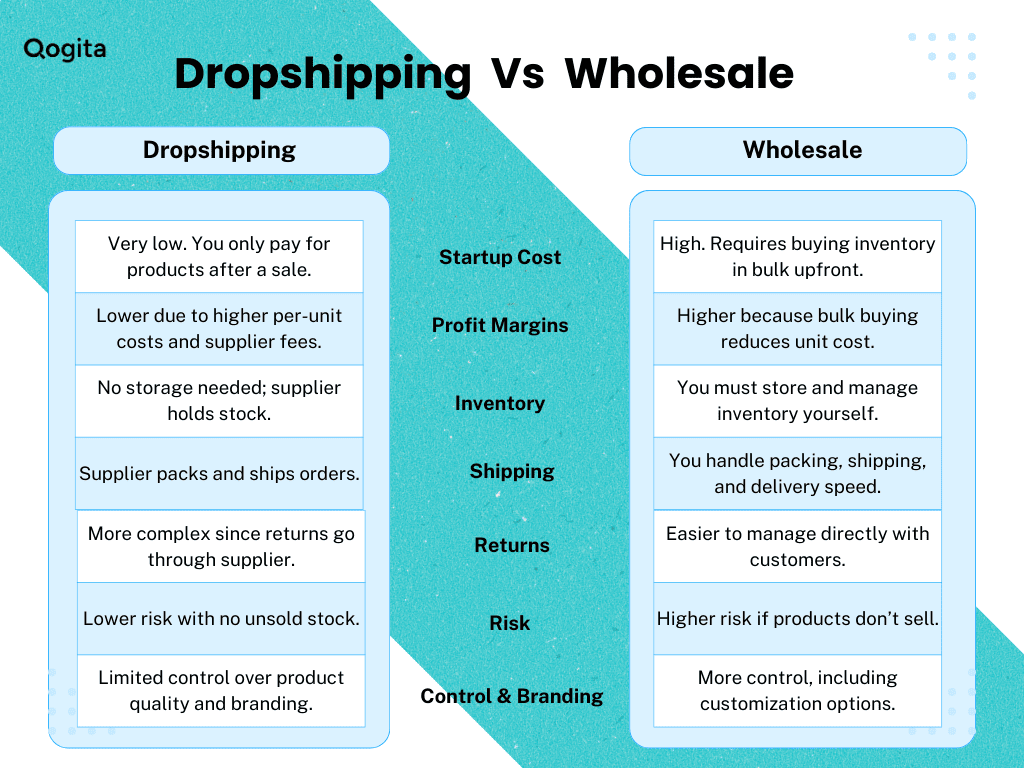
To choose the right path, you need to look at how these models work in the real world. Here are the major differences between dropshipping and wholesale.
Upfront Costs and Investment
The biggest difference between wholesale vs dropshipping is how much money you need to start.
In dropshipping, the upfront costs are very low. You do not buy any products until a customer pays you first. Your main expenses are setting up a website and paying for marketing. This is why many people start here.
In wholesale, the upfront investment is much higher. You must buy products in bulk from wholesale suppliers before you can list them for sale. Most suppliers have a Minimum Order Value (MOV), which means you might have to spend at least $500 or $1,000 on your first order to get the discounted price.
For example, if 50 coffee mugs cost $5 each, and the supplier has an MOV of $500, you have to buy at least 100 mugs plus pay for shipping and storage before you even make your first sale.
Profit Margins
Profit margin is the amount of money you keep after paying all your costs. This is where dropshipping vs. wholesale shows a big gap.
In dropshipping, your profit margins are usually smaller. Because you are buying only one item at a time, the supplier charges you a higher price for each unit. The supplier also takes a cut for storing and shipping the item for you. For instance, if a phone case sells for $20, a dropshipping supplier might charge you $15. After website fees and ads, you might only keep $2 or $3 as profit.
In wholesale, your profit margins are much higher. When you spend enough to meet the MOV and buy in bulk, the supplier gives you a large discount. That same $20 phone case might only cost you $4 when bought in bulk. Even after you pay for your own packaging and shipping, you might keep $10 or $12 as profit.
Inventory Management
In dropshipping, you have zero inventory management. Since the dropshipping suppliers hold all the items in their own warehouses, you never have to worry about running out of space in your home or paying for a storage unit.
For example, if you sell large items like office chairs, you can list many different styles on your website without needing any storage space. The supplier tracks the stock levels, and you only update your website if an item goes out of stock.
In wholesale, you are fully responsible for inventory management. Once you meet the MOV and receive your bulk shipment, you must have a clean and organized place to keep everything. If you sell those same office chairs, you will need a large garage or a rented warehouse.
You also have to count your stock regularly so you do not accidentally sell something you no longer have. While this is more work, it means you always know exactly how many items are ready to ship.
Suppliers
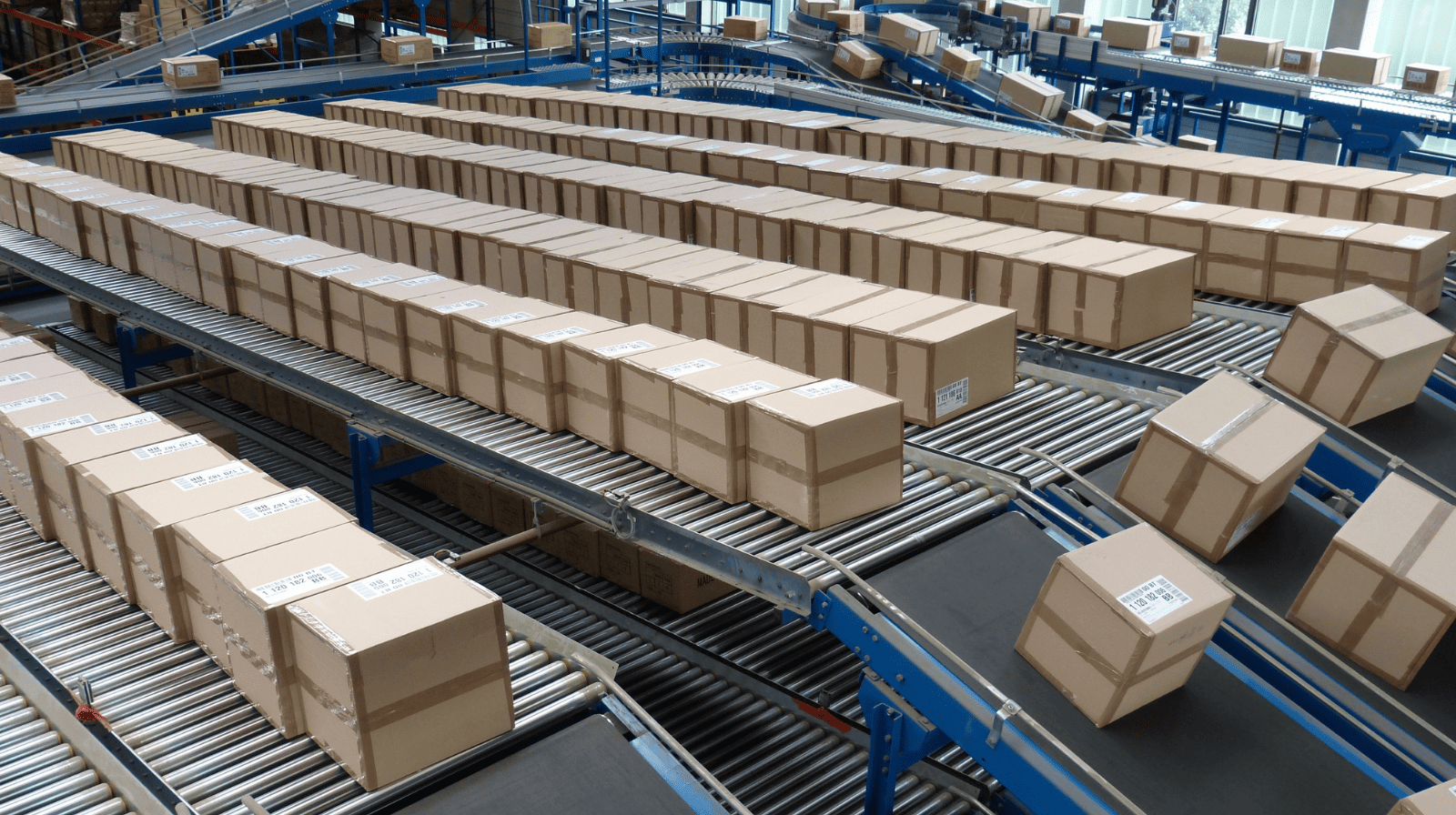
Finding and working with partners is different depending on whether you choose wholesale vs dropshipping.
When you use dropshipping suppliers, you are looking for partners who are willing to ship single items to individual customers. These suppliers usually have automated systems that connect to your store. For example, if you use an app like Spocket, you can find many suppliers who are ready to ship a single necklace or a single pair of socks the moment an order comes in.
The location of your supplier is very important in this model. If you are in the US but your dropshipping suppliers are in China, your customers might have to wait two or three weeks for their package. This can lead to complaints. Many sellers now look for local suppliers to ensure faster shipping times.
When you work with wholesale suppliers, the relationship is more professional and hands-on. You are buying in bulk, so you often talk directly to a sales representative to negotiate the best price. That said, not all wholesale suppliers expect you to buy large amounts at once to meet their MOV.
Wholesale platforms like Qogita make it easier by offering low MOVs and access to 500+ vetted suppliers, so you can test products, manage cash flow, and grow your inventory without overcommitting.
Control and Branding
Dropshipping offers very little control over the product or the branding. Since the items come directly from dropshipping suppliers, you cannot easily change the design, add your logo to the product, or improve the build quality. You are selling what the supplier provides. This makes it harder to stand out from other stores selling the exact same items.
On the other hand, wholesale offers much more control. Because you buy in bulk, many wholesale suppliers allow you to customize the products. You can choose specific materials, colors, or add your own brand labels to the items before they are shipped to your warehouse.
Packaging and Shipping
The way a customer receives their order can change their entire experience with your business.
In dropshipping, the supplier picks and packs the order. You do not see the box before it reaches the customer. This means you cannot add personal touches like thank-you notes or custom-branded tape. Additionally, shipping times can be unpredictable if the supplier is located far from the customer.
In the wholesale model, you handle all packaging and shipping yourself. This gives you total power over the unboxing experience. You can use high-quality boxes, include discount codes for future purchases, and confirm that the item is packed securely.
Since the stock is already in your possession, you can also offer faster shipping, such as next-day delivery, which helps build customer trust and loyalty.
Returns and Refunds
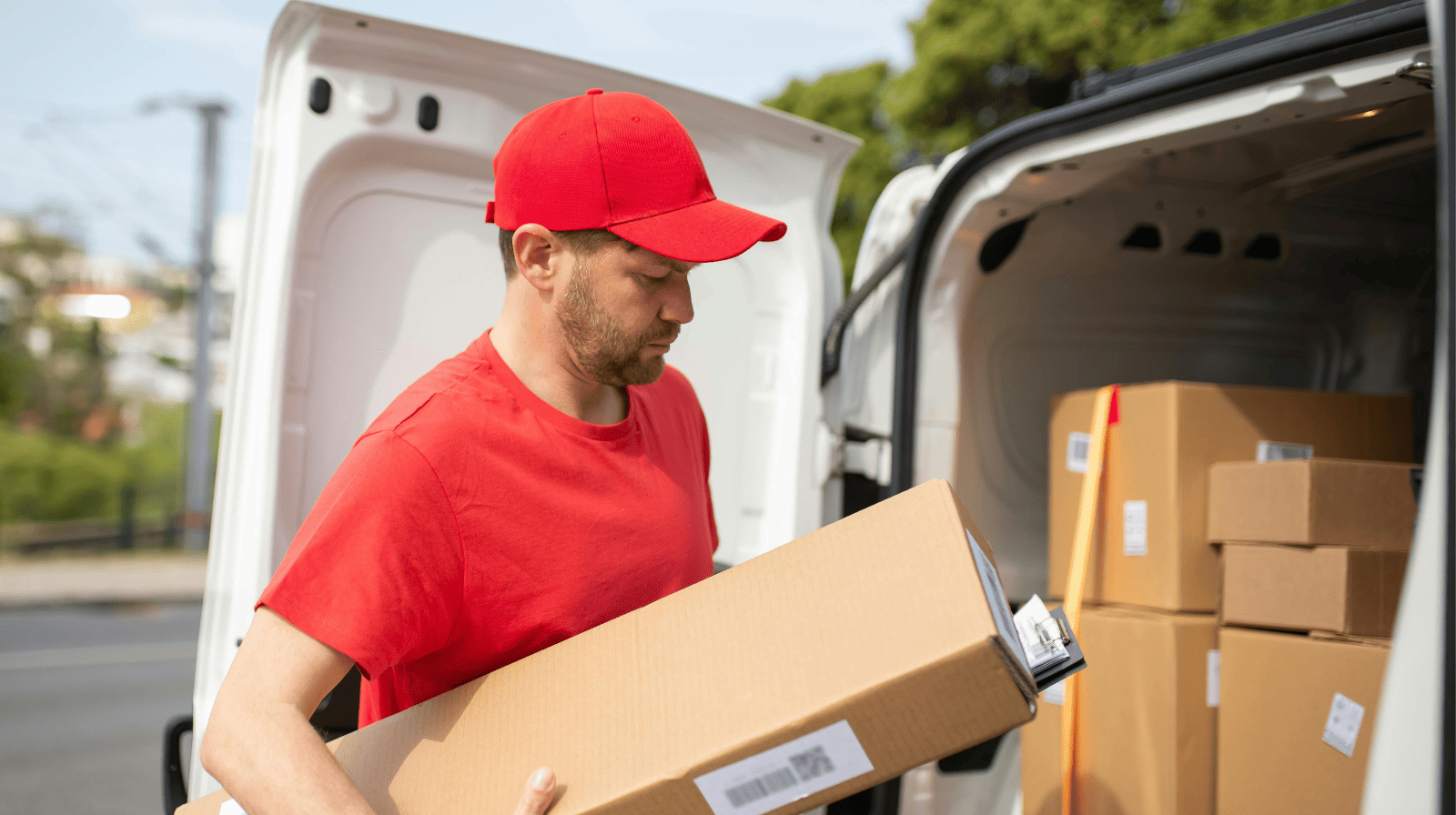
Managing customer issues is a major part of running a store. In dropshipping vs wholesale, the return process looks very different.
Handling returns can be complicated in dropshipping. Since you do not have the product, the customer must often ship the item back to the supplier.
If your dropshipping suppliers are in another country, this can be very expensive and take a long time. You have to act as a middleman between the customer and the supplier to resolve the issue. If the supplier does not accept returns, you may have to refund the customer out of your own pocket, incurring a loss.
In wholesale, you have full control over returns and refunds. Customers send the items directly back to you. This allows you to quickly inspect the product to see if it is actually broken or can be resold.
You can process refunds immediately, which keeps your customers happy. While you have to spend time processing these packages, it is much simpler than coordinating with a third party.
Time and Risk
Every business owner must balance their time against the risk of losing money.
When looking at wholesale vs dropshipping, dropshipping is the lower-risk option. You do not lose money on unsold inventory because you only buy products after you make a sale.
However, you spend a lot of time searching for winning products and managing different dropshipping suppliers. It is a model that requires more time spent on marketing and testing new items to see what works.
In wholesale, the risk is much higher because you must meet the MOV and buy stock upfront. If the products do not sell, you are stuck with the inventory and you lose the money you invested.
However, once you have a product that sells well, it saves you time. You do not have to constantly look for new items because you have a large supply of a proven product ready to go.
Scaling
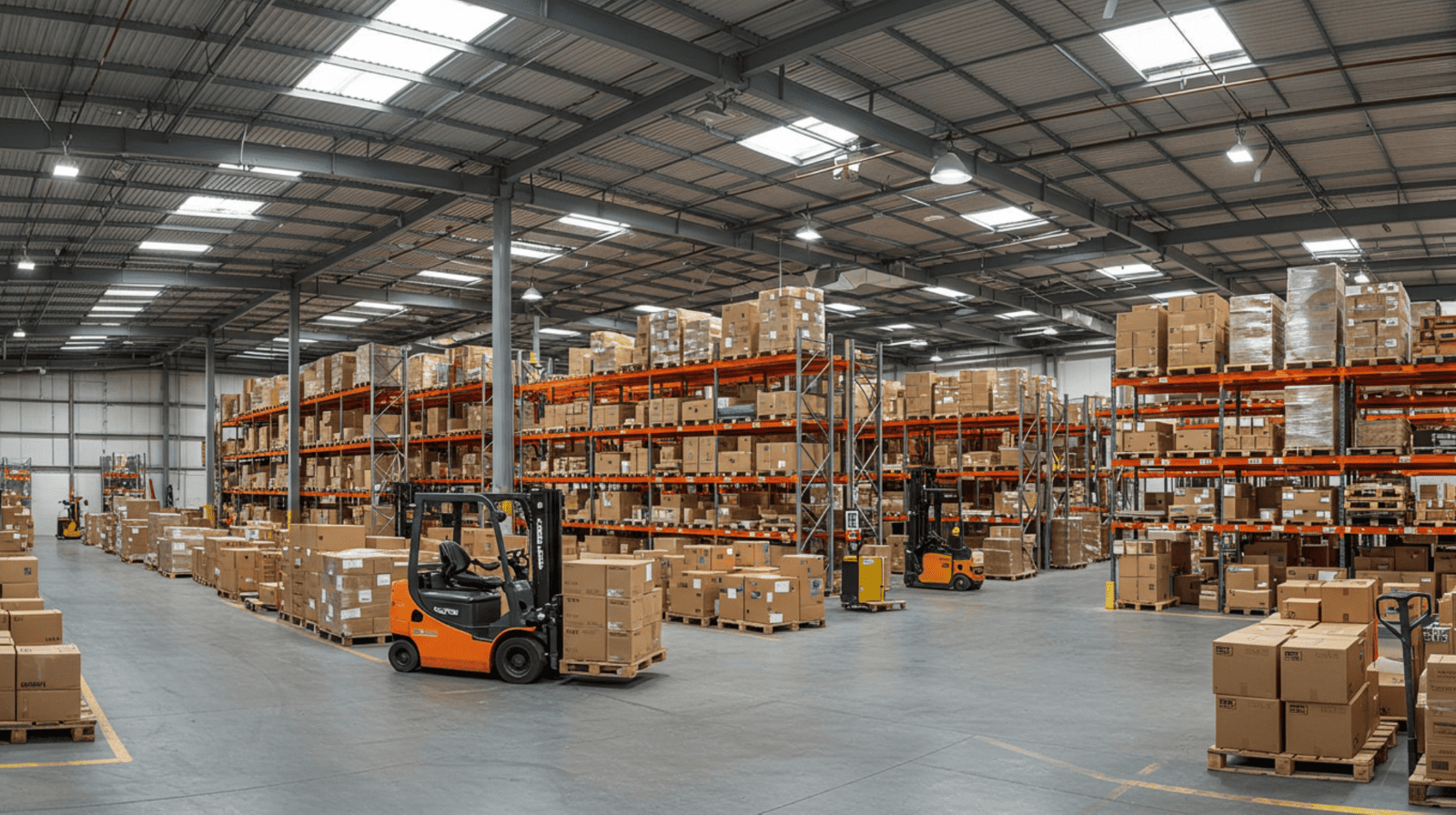
Scaling is the process of growing your business volume and revenue. In dropshipping vs wholesale, the way you grow depends on your access to capital and infrastructure.
In dropshipping, scaling is often faster and easier. Since you do not store products, you can add hundreds of new items to your store instantly at no extra cost. When sales increase, your dropshipping suppliers handle the extra work of packing and shipping. Your main challenge is increasing your marketing budget to reach more customers.
In wholesale, scaling requires more planning and money. To sell more, you must place larger bulk orders to meet the MOV of your wholesale suppliers. This means you need more upfront cash and more physical space to store the inventory. While this is more difficult to manage, it often leads to much higher long-term profits.
Pros and Cons of Dropshipping
Before choosing dropshipping vs wholesale, it is important to look at the advantages and disadvantages of each. Here is what you need to know about the dropshipping model.
Pros:
- Low startup costs: You do not need thousands of dollars to begin. You only pay for products after a customer buys them.
- Easy to start: You can set up a store and start selling in a few days.
- Wide product selection: You can list many different items from various dropshipping suppliers without worrying about storage space.
- Location independence: You can run your business from anywhere with a laptop and an internet connection.
- Low risk: If a product does not sell, you do not lose money on unused stock.
Cons:
- Low profit margins: Because you buy items one by one, the cost per unit is high, resulting in lower profit margins.
- Less control: You cannot check the quality of the product or the packaging before it reaches the customer.
- Shipping issues: If your dropshipping suppliers are far away, shipping can be slow and expensive.
- High competition: Since it is easy to start, many others might be selling the same products you are.
Pros and Cons of Wholesale
The wholesale model is very different. Here is a look at the benefits and risks of choosing wholesale vs dropshipping.
Pros:
- Higher profit margins: Buying in bulk allows you to get the lowest prices from wholesale suppliers, so you keep more money from every sale.
- Better brand control: You can customize the products and the packaging to build a unique brand.
- Faster shipping: Since you have the stock in your hands, you can ship orders immediately and provide a better customer experience.
- Inventory certainty: You always know exactly how many items you have ready to sell.
Cons:
- High upfront cost: You must spend a lot of money to meet the MOV and buy bulk inventory before you make any sales.
- High risk: If you buy products that do not sell, you lose the money you spent on that stock.
- Storage needs: You need a physical space, such as a garage or warehouse, to store your inventory.
- More manual work: You are responsible for picking, packing, and shipping every order yourself.
Dropshipping Vs Wholesale: Which Is Right For You?
Choosing between dropshipping and wholesale depends on your plans, your budget, and how much time you can give to your business. Neither model is perfect for everyone, so pick the one that best fits your current situation.
When to Choose Dropshipping
This model is a great starting point for those who want to enter the market with minimal pressure. Dropshipping might be the right fit for you if:
- You have a small amount of savings and cannot afford to buy products in bulk.
- You want to experiment with different product types to see which sells without any financial risk.
- You prefer a business that you can manage from a laptop while traveling or working from home.
- You want to offer a huge variety of items on your website without renting a storage unit.
When to Choose Wholesale
This model is better for those who want to build a long-term, professional brand. Wholesale might be the right path if:
- You have already found a product that people love, and you want to increase your profits on every sale.
- You have the money to invest upfront, and you have space to keep your stock organized.
- You want your customers to receive their orders in a day or two rather than waiting for weeks.
- You want to create custom packaging and add your own labels to build a loyal customer base.
Conclusion
Dropshipping is the best way to start if you have little money and want to learn how e-commerce works. It lets you test products without losing your savings. On the other hand, wholesale is a better move if you have capital and want to build a serious brand with better profit margins.
Both models can be successful if you put in the work. Think about your budget and how much control you want over your shipping and quality. Once you pick the model that fits your goals, you can start building your store.
Dropshipping Vs Wholesale FAQs
What is white-label drop shipping?
White-label dropshipping is when a supplier removes their own branding from a product and replaces it with your custom logo and packaging before shipping it to the customer. It allows you to sell generic items as your own unique brand without handling any inventory.
Can I make $2,000 per month dropshipping?
Yes, you can. Many sellers achieve this with consistent effort, a good product niche, and careful control of ad costs and margins.
Can I make $10,000 per month dropshipping?
Yes, but it usually takes time, testing, and a bigger ad budget. At that stage, many sellers switch to wholesale or private sourcing to make more profit.
What is the downside of dropshipping?
The main downsides include low profit margins due to high individual unit costs and a lack of control over shipping times and product quality. You are also at the mercy of your supplier’s stock levels and return handling.
What is more profitable than dropshipping?
Wholesale and private label are often more profitable because buying in bulk lowers your cost per unit and gives you more control over pricing and branding.