
Many retailers fall into the trap of chasing high sales numbers while ignoring their actual take-home pay. While a busy store looks great, your business only survives if you make enough profit to cover your costs and grow. In fact, research shows that the most successful online stores often aim for a gross profit margin of 50% or higher to stay healthy.
By choosing a high profit margin product, you stop working for pennies and start building a business that can actually scale. It is the smartest way to make sure your hard work results in real financial freedom.
In this guide, we will cover the best products with high profit margins and show you how to spot the most lucrative opportunities for your store.
What is a High Profit Margin Product?
A high profit margin product is an item that earns you a significant amount of money relative to what you paid for it. In simple terms, it means the gap between what it costs you to buy or make the product and the price you charge the customer is wide.
For example, if you sell a generic phone case for £15 but it only costs you £2 to source and ship, you have a very healthy profit. However, if you sell a high-end laptop for £1,000 but it costs you £950 to acquire, your margin is actually quite low despite the big price tag.
Retailers love products with high profit margins because they don't need to sell thousands of units to make a decent living. These products do the heavy lifting for your business finances.
How to Calculate Your Profit Margin?
To know if you are making money, you need to look at the numbers. Calculating your margin is straightforward and helps you see exactly how much of every pound spent by a customer stays in your pocket.
The basic formula is:
Retail Price - Production Costs = Profit Margin
The retail price is what the customer pays at checkout. Your production costs include everything it takes to get that item into the customer's hands. This means you must count the price of the goods, any packaging, labor, and the cost of shipping.
If you want a really accurate picture, many successful sellers also include their marketing costs for that specific item. Keeping these costs low while maintaining a fair retail price is the key to finding the best products with high profit margins.
Why Selling High-Margin Products Is Good for Business?
Selling retail products with high profit margins is the fastest way to grow a sustainable business. When you focus on these items, you get a much better return on your investment. This means you have more cash left over to spend on better marketing, new stock, or improving your website.
When your store carries products with high profit margins, you do not need to worry as much about every single penny spent on overhead.
For example, imagine two shops that both sell £5,000 worth of goods in a month. Shop A sells low-margin items and only keeps £500 in profit. Shop B sells high-margin items and keeps £2,500.
Even though they have the same sales, Shop B is much more successful and has more money to scale up. High margins give you a safety net for when costs like shipping or advertising go up.
5 Types of Products with High Profit Margins
If you are searching for the most profitable products to sell online, you will find that some categories naturally allow for much higher markups than others. These items often combine low manufacturing costs with a high perceived value from the customer.
Here are five product categories to consider for your retail business:
1. Skincare Products
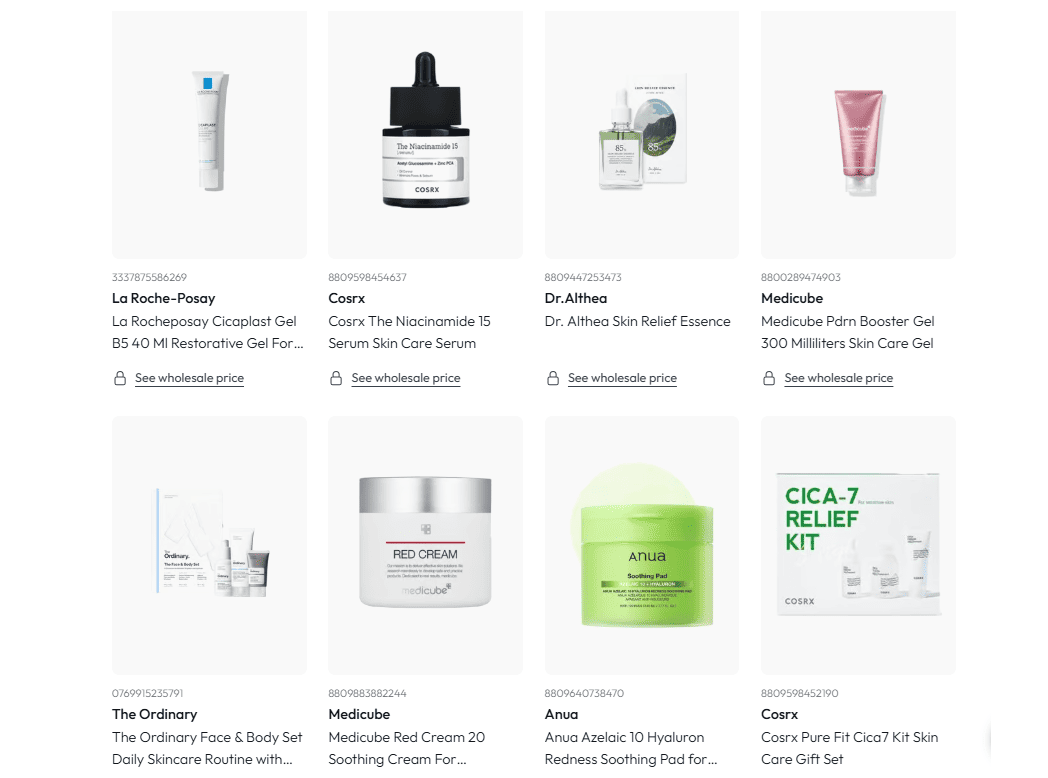
Skincare is one of the largest and fastest-growing parts of the beauty industry, with the global skincare products market valued at around USD 167.4 billion in 2025. Products like anti-aging creams and serums are particularly lucrative because customers view them as essential items for their daily routine.
- Estimated profit margin range: 50% – 70%
- Pros: High repeat purchase rates and small, lightweight packaging that keeps shipping costs low.
- Cons: Price competition can be intense, especially online, putting pressure on margins without a clear value proposition.
2. Makeup Products
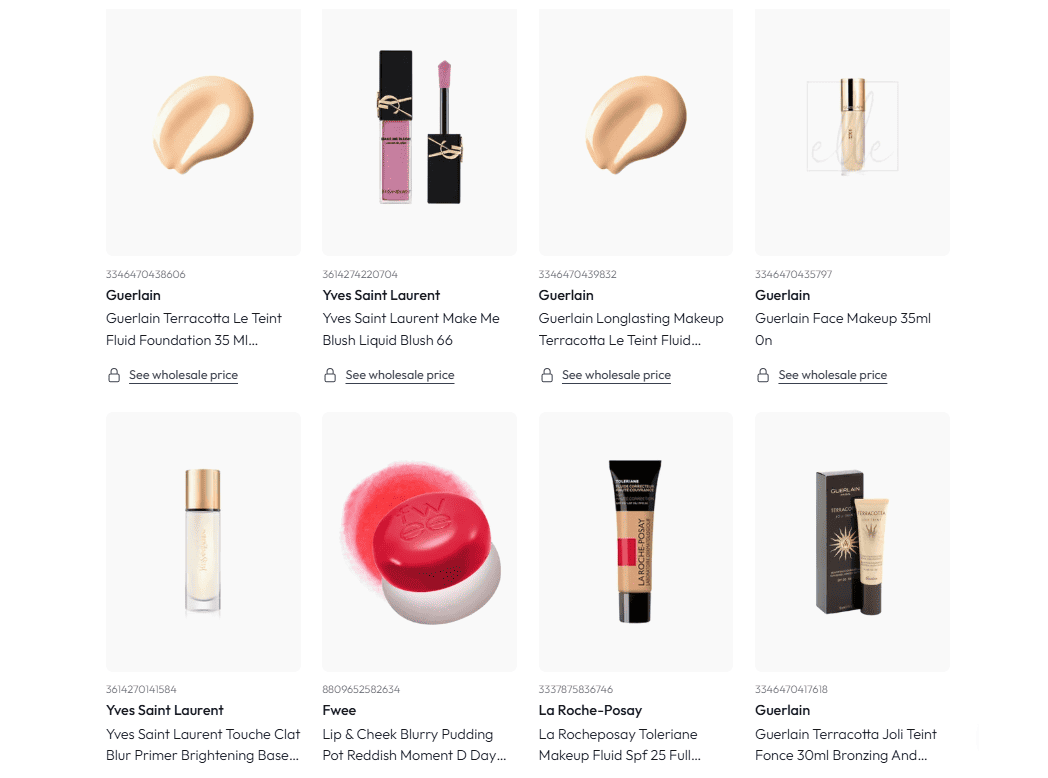
The global cosmetics market was valued at about USD 450 billion in 2025, and makeup is one of the fastest-growing segments within it. That makes cosmetics highly suitable for social media marketing. Items like liquid lipsticks and eye palettes are visual and easy to demonstrate, leading to high engagement and influence on purchase decisions.
- Estimated profit margin range: 40% – 60%
- Pros: Perfect for viral marketing on TikTok and Instagram; high potential for customer loyalty.
- Cons: Trends change very quickly, which can lead to dead stock if you don't sell through inventory fast enough.
3. Hair Care Products
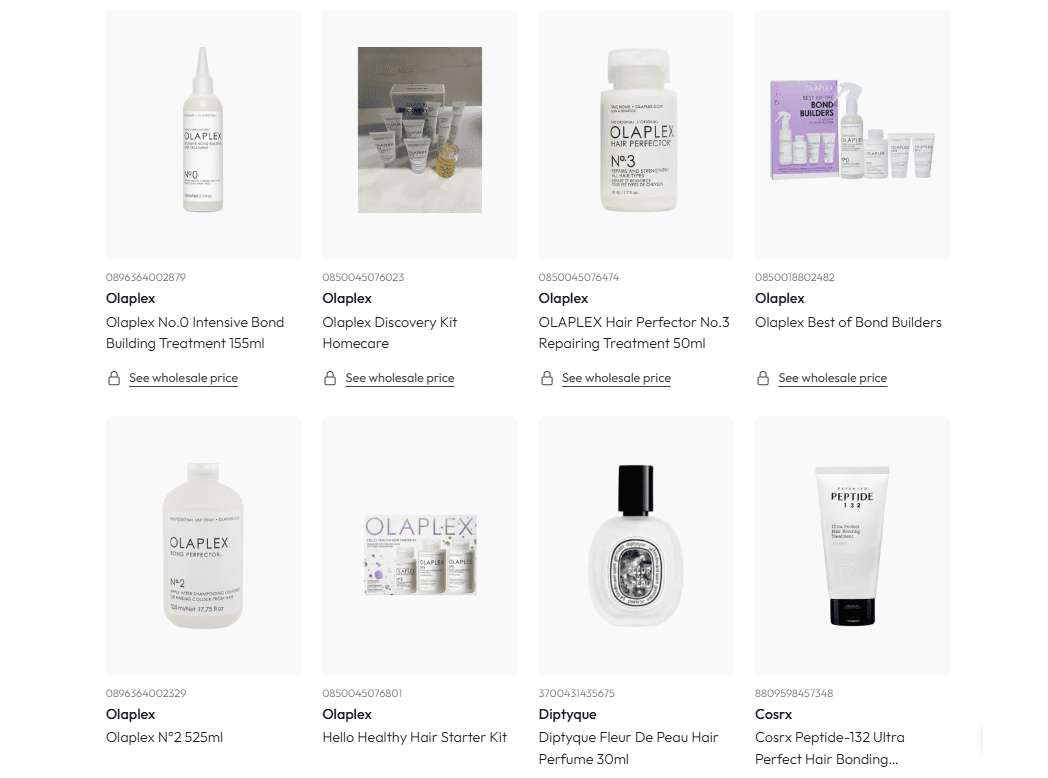
Consumers are increasingly seeking salon-grade results at home, especially as professional haircare becomes more accessible online. Instead of basic supermarket shampoos, shoppers are choosing specialised formulas that are designed to target problems such as scalp health, hair thinning, frizz, or curls.
- Estimated profit margin range: 45% – 65%
- Pros: Specialized formulas allow for premium pricing; growing demand for clean and sustainable ingredients.
- Cons: Customers often have very specific needs, so you may need a broader product range to satisfy everyone.
4. Luxury Fragrances
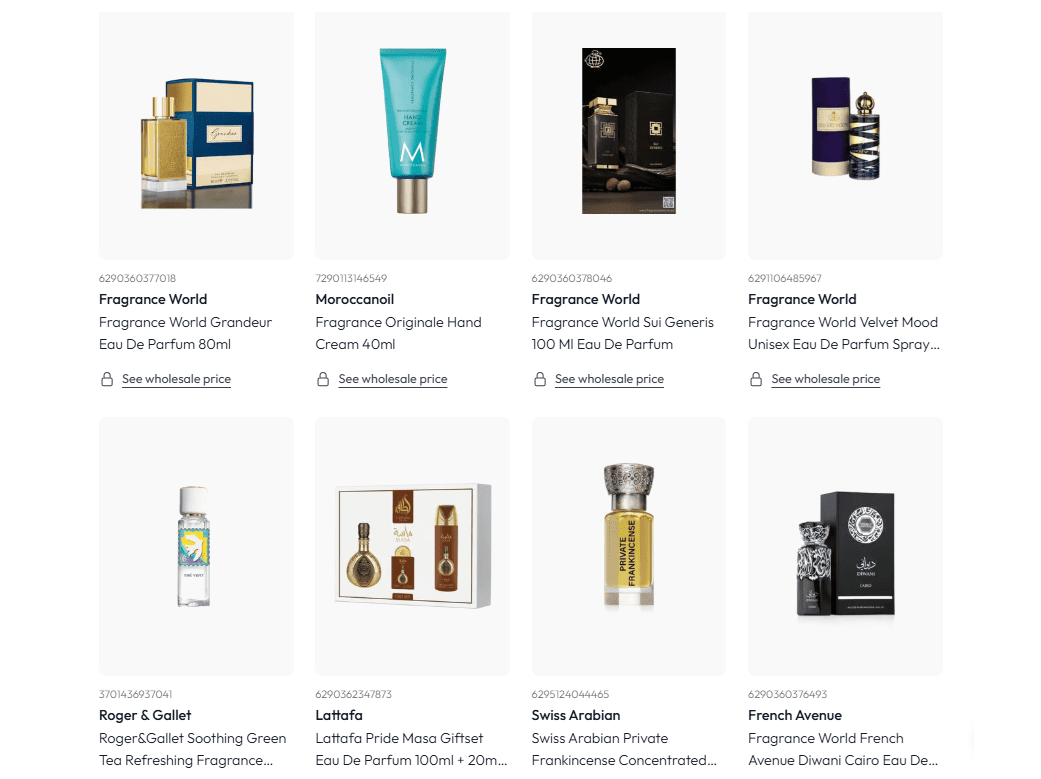
Perfumes and home scents offer some of the highest returns in retail. Niche fragrances and unisex scents have a high perceived luxury value despite relatively low liquid production costs.
- Estimated profit margin range: 60% – 80%
- Pros: Excellent giftability factor; very low shipping weight; high prestige and brand value.
- Cons: Fragrances are subjective and difficult to "test" online, which can make initial customer acquisition tricky.
5. Vitamins and Supplements
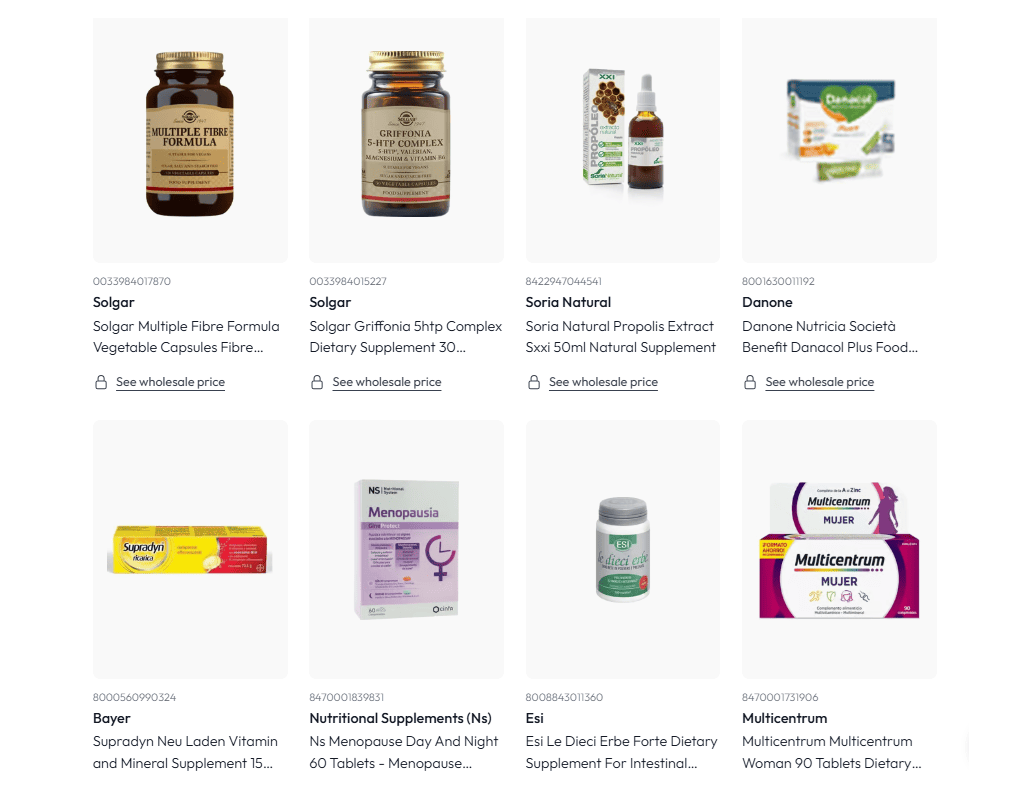
The health and wellness boom has made supplements a very profitable niche. While you must ensure your labeling is correct, products like daily vitamins often lead to high average order values.
- Estimated profit margin range: 30% – 50%
- Pros: Strong subscription potential; a health-conscious audience that prioritises quality over price.
- Cons: Strict UK regulations on health claims and ingredients; high level of competition from large brands.
How to Find High-Demand, High-Margin Products
Finding products with high profit margins is only half the battle; you also need to know how to spot them before the market becomes too crowded.
Here are seven ways to find high-demand, high-margin products:
1. Use E-commerce Tools
Online marketplaces are full of hidden clues about what’s in demand right now. Tools like Helium 10 or Jungle Scout are perfect if you’re selling on Amazon UK, while eBay Seller Hub gives a clear picture of what buyers are actually snapping up.
The trick is to look for products that lots of people are searching for, but only a few sellers are offering. That’s usually where the real opportunities are.
2. Use Search Engine Analytics
Search data is a window into the customer's mind. Use Google Trends to see if interest in a product is rising or falling over time. If you see a steady upward curve for a term like "organic hair oil UK," it might be the perfect time to source that product.
Google’s Keyword Planner can also show you how much people are willing to bid on ads for specific items, which indicates their profitability.
3. Analyse the Competition
You can learn a lot by looking at what other successful stores are doing. Visit competitor websites and look for their "Best Sellers" section.
- Read reviews: Look for 3-star reviews where customers are happy with the product but wish it had a specific feature. If you can provide that missing feature, you have a winning product.
- Check inventory: See if competitors are frequently out of stock of certain items. This is a sign of high demand that you could potentially fill.
4. Use AI and Predictive Tools
AI has improved so much over the last few years that it can now do a lot of the heavy lifting when it comes to demand planning. Tools like Graphite Note or Inventory Planner analyse large volumes of past sales data to spot patterns that humans would easily miss.
These tools can even flag which products are likely to trend a few months from now, giving you time to stock up early before prices increase or supply starts to dry up.
5. Master the Art of Social Listening
Let’s be honest, most trends start on social media long before they show up in sales reports. Platforms like Reddit and TikTok are especially useful because people speak freely and share what they actually want, not what brands are trying to sell them.
On Reddit, look for posts that start with phrases like “Does anyone know where to buy…” or “I wish someone made a…” in niche subreddits. These questions often point to real gaps in the market.
You can also follow hashtags such as #TikTokMadeMeBuyIt or #SmallBusinessCheck on TikTok to spot products gaining genuine traction. When a product keeps popping up with strong engagement, it is often an early sign of growing demand.
3 Practical Tips to Increase Your Margins
Once you have selected your products, you need to focus on protecting and growing your bottom line. Even with the best products with high profit margins, small mistakes in your strategy can eat away at your returns.
Here are three practical tips for keeping your margins as healthy as possible:
1. Identify and fill niche supply gaps
The easiest way to maintain high prices is to sell something that is hard to find elsewhere. If you enter a crowded market, you will be forced to lower your prices to compete. Instead, look for specific niches where demand is high but there are very few specialist sellers.
For example, instead of just selling "dog treats," you might focus on "hypoallergenic treats for senior dogs." When you are the go-to expert for a specific need, you have much more control over your pricing.
2. Source from reliable, flexible wholesale partners
Your profit is often determined when you buy your stock, not when you sell it. To keep costs low, you should work with vetted suppliers who offer high-quality goods at competitive prices.
Using a platform like Qogita is an excellent way for retailers to source authentic products from 500+ trusted wholesalers.
Because Qogita allows you to buy exactly what you need without being tied down by massive minimum order values, you can keep your capital fluid and avoid overstocking on items that aren't moving.
3. Use smart cross-selling to increase basket value
Once a customer has decided to buy from you, the hardest part of the sale is over. You can significantly boost your profit by suggesting related items before they check out.
If someone is buying a high-margin face serum, suggest a complementary moisturiser or a silk sleep mask. This increases your average order value without significantly increasing your marketing or shipping costs, making the entire transaction much more profitable for your business.
Conclusion
Focusing on high-profit products is one of the smartest ways for retailers to build a steady, growing business. Instead of trying to sell huge volumes of low-return items, it makes sense to prioritise products that give you the most value for your investment.
Categories like skincare, makeup, hair care, fragrances, and supplements tend to offer stronger margins and more consistent profits.
To make things easier, you can source top-quality items in each of these categories directly from Qogita. That way, you know you’re getting authentic stock from trusted suppliers, giving your store the best chance to succeed.
High Profit Margin Products FAQs
What is a high margin product?
A high margin product is an item that sells for significantly more than it costs to source or produce. It allows you to keep a large percentage of each sale (50% or more) as actual profit after all expenses.
Which product has the most profit margin?
Niche beauty serums, luxury fragrances, and specialised supplements usually bring in the biggest returns because customers see them as high-value products worth paying extra for.
Where to sell products with high profit margins?
Use Shopify to build a branded store with full pricing control, or Amazon and eBay to access massive existing audiences. TikTok Shop is also a top choice in 2026 for high-margin beauty and trend-led items.
Where to find products with high margins?
You can find high-margin inventory on B2B wholesale platforms like Qogita, which connects you with vetted suppliers for top brands. Other great options include sourcing private-label goods from specialized manufacturers or using tools like Google Trends to spot emerging niches.