
For retailers, the success of selling perfumes and colognes rests entirely on choosing the right wholesale partner. This is a high-stakes decision.
A strong supplier guarantees genuine products, steady stock, and prices that keep you competitive. These are the building blocks of your profit.
Choose poorly, and the risks are huge: you might end up with fakes, face empty shelves, lose customers, and suffer financial hits.
This guide gives you a simple, step-by-step map. We will show you exactly how to pick the best fragrance wholesale supplier for your business, covering everything from planning your stock to making sure every supplier partnership is legal and profitable.
Phase 1: Strategising Your Fragrance Inventory
Before you talk to a single supplier, you must know exactly what your business needs to sell. Buying wholesale without a plan is the fastest way to waste money on the wrong stock. This phase is about looking inward at your customers and your budget to create a smart shopping list.
Define Your Market Niche (Who Are You Selling To?)
The fragrance world is huge, split mainly between Designer (mass-market luxury like Chanel or Dior) and Niche (exclusive, artistic brands like Amouage or Le Labo). You must choose which market you will serve.
- Designer Brands: These fragrances have mass appeal, high brand recognition, and are usually priced for the mid-to-high market. They sell fast, but competition is fierce, and your profit margins might be tighter (Retailer margins can range from 25% to 35% on standard retail channels).
- Niche Brands: These appeal to the fragrance enthusiast looking for a unique scent. They offer higher potential profit margins (often up to 70-85% for luxury brands) because of their exclusivity and higher price points, but they move more slowly and require a more specialised customer base.
Example: If your store targets Gen Z customers, you should stock smaller sizes like rollerballs or travel sprays featuring trendy, viral scents. If you target high-income buyers, focus on niche, high-concentration fragrances (Eau de Parfum or Extrait de Parfum) with luxury packaging.
Determine Your Product Mix
Once you know your audience, create a balanced list of product types. Don't just stock 100ml bottles of EDP (Eau de Parfum).
Establish Your Budget and Volume Goals
Your budget directly controls the type of supplier you can use, especially concerning the Minimum Order Value (MOV).
- Small Retailer (Lower Budget): You'll need suppliers with low MOVs, which often means buying from a smaller distributor or a local wholesaler. The trade-off is often slightly higher unit costs.
- Large Retailer (High Budget): You can meet large MOVs set by major international distributors or even manufacturers. This unlocks the best pricing and highest profit margins.
Phase 2: Finding Potential Wholesale Suppliers
Finding genuine and trustworthy fragrance suppliers takes time and a smart plan. You get the best results by using a mix of online searches and going to industry trade shows to check which supplier truly fits what you need.
1. Traditional Channels
These channels are best for securing the lowest prices on inventory, though they have a higher barrier to entry.
- Direct Manufacturer/Brand Distributor: These are official partners for big fragrance brands like Coty or L’Oréal Luxe. They guarantee authentic products and usually offer the best prices per unit, but they often require large minimum orders and have strict contract terms.
- Local/Regional Wholesalers (Jobbers): These independent wholesalers offer greater flexibility with lower MOVs, which is ideal for testing new fragrances without massive upfront capital. Because they are further removed from the brand manufacturer, the retailer must perform extra due diligence to verify the authenticity of the stock.
- International Trade Shows: Visit industry trade shows and events such as Cosmoprof and Beautyworld. This can be pretty expensive, but these shows offer an excellent opportunity to see and sample products and to establish direct connections with suppliers.
2. Modern B2B Wholesale Marketplaces
The wholesale marketplace model provides a simple solution for sourcing perfume and fragrance stock. These are highly effective for retailers who need diverse inventory and efficient logistics.
For example, Qogita acts as a central hub specialising in the European health and beauty market. It solves many traditional wholesale pain points by consolidating the catalogues and pricing of over 500 vetted European suppliers onto a single website.
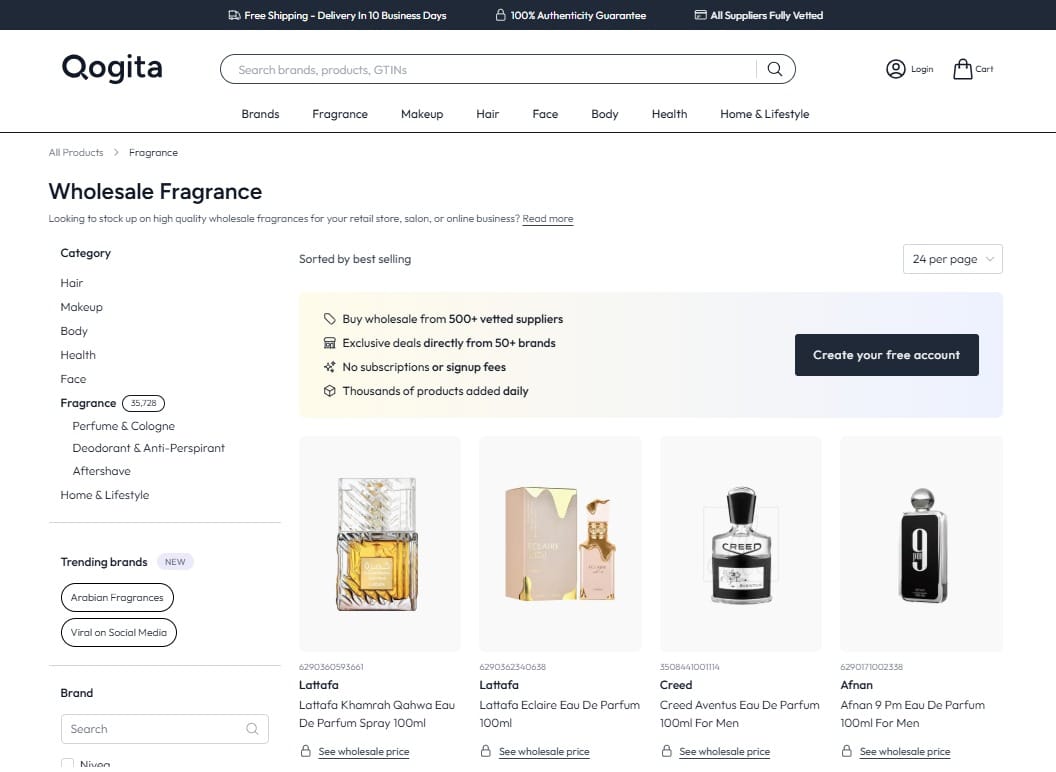
Qogita offers retailers a low Minimum Order Value. This flexibility allows you to easily buy a wide variety of perfumes, colognes, and gift sets from multiple sources in a single checkout, minimising inventory risk and optimising cash flow.
Furthermore, Qogita provides a unified invoicing system and manages the complex, multi-supplier logistics, significantly cutting down on administrative time and costs for the retailer.
Phase 3: The Critical Vetting Process
You cannot successfully sell wholesale fragrances on major marketplaces (like Amazon) without a verified, documented supply chain. This phase shows the difference between a legitimate business and an account suspension.
The Required Documentation (The Paper Trail)
Marketplaces and brands demand a clear, verifiable chain of custody for every product. You must secure the following documentation from your supplier for every purchase:
1. Commercial Invoices: This is the most crucial document.
- It must show a purchase of at least 10 units of the specific product.
- It must include your legal business name and address, which must match exactly your details on the marketplace (e.g., Amazon Seller Central).
- It must clearly show the supplier's full contact information (Name, address, phone, and website).
- It must be dated within the last 180 to 365 days (requirements vary).
- The invoice must be from a distributor that the brand acknowledges as an authorised source.
2. Brand Authorisation/LOA (Letter of Authorisation): While a direct letter is ideal, it is often required only after an inauthentic complaint. However, for restricted or highly counterfeited brands (e.g., LVMH brands), you must get explicit permission from the brand before listing the product.
Product Vetting (The Physical and Technical Check)
Before you list anything for sale, you need to become a quality inspector. It’s entirely your responsibility to check the product and its packaging to prove it's real.
1. Batch Code Verification:
- Every single bottle and every box has a batch code (an alphanumeric ID) that must match exactly. If these codes don't line up, do not accept the shipment.
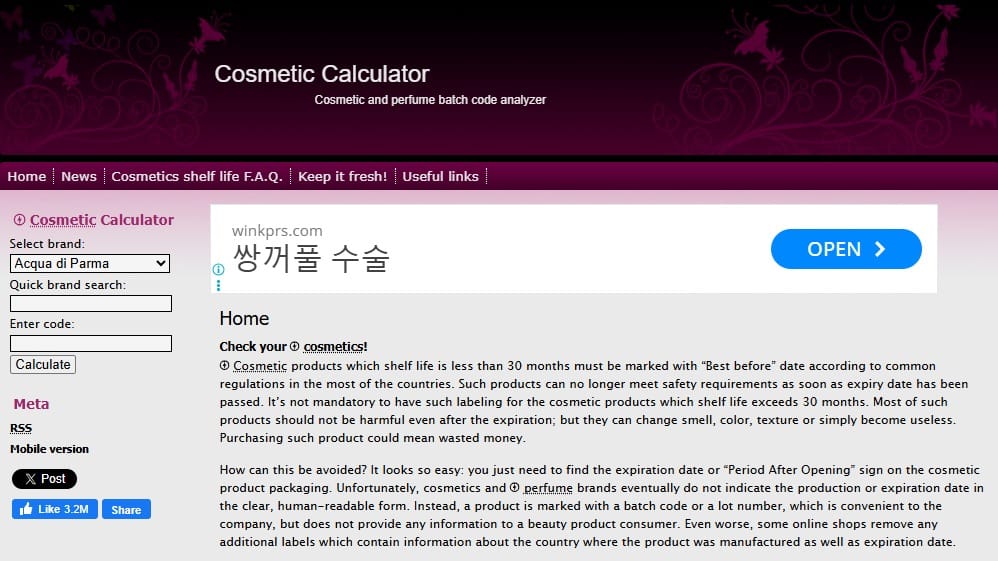
- You can use free online tools like CheckFresh or Cosmetic Calculator. By putting in the code, you quickly find the product's manufacturing date, which proves it is fresh stock and that the code is real.
2. Packaging and Quality Inspection:
- Outer Wrap (Cellophane): Real perfumes are wrapped tightly with thin, neat cellophane that has clean, flat seams. If the plastic is loose, wrinkled, or feels cheap and thick, it’s a major warning sign.
- Box and Print: The box should be made of sturdy cardboard. Check the text, it must be high-quality, perfectly clear, and have absolutely no spelling mistakes or smudged ink.
- Bottle Quality: Luxury brands design their bottles flawlessly. Feel the weight; it should be solid. Look for smooth, uniform glass, perfectly centred labels, and a cap that fits securely. A cheap, flimsy, or irregular bottle means the product is fake.
3. IFRA Compliance (UK/EU):
If you sell fragrances in the UK or EU, your fragrances must meet the safety standards set by the International Fragrance Association (IFRA) and local regulations.
Perfumes produced in the UK must be registered with the OPSS (Office for Product Safety and Standards). Suppliers should provide a CPSR (Cosmetic Product Safety Report), correct safety labelling, and the contact details of a responsible person who is legally accountable for the product’s safety.
Understanding "Decoded Goods" (Grey Market Risk)
A "decoded" fragrance is one where a distributor has deliberately removed, scratched off, or otherwise defaced a specific internal or external tracking number (this is not the batch code).
Distributors do this to hide where they got the perfume, allowing them to sell it cheaply in unauthorised markets, called the "grey market". The fragrance inside is usually real, but the missing code is a huge problem.
If you sell this item on a major website like Amazon and a customer complains that it's fake, the tampered packaging immediately fails the authenticity check.
Amazon will see the defaced code as a sign of fraud, which leads to a quick listing removal and could get your entire seller account shut down. To keep your business safe, always avoid buying decoded stock.
Phase 4: Inventory Management and Scalability
Once you establish a reliable supply chain, your focus shifts to the operational efficiency of purchasing, managing stock, and scaling your business profitably. Inventory management prevents cash flow problems and protects your business against losing sales.
The Fundamentals of Ordering and Stocking
Successful fragrance wholesale relies on balancing demand with holding costs.
- Calculate Your Lead Time: Always know the time it takes from placing an order with your supplier to the stock arriving at your warehouse or the FBA centre. You must factor this lead time into your reordering schedule to avoid running out of top-selling items.
- Use Minimum Order Values (MOVs) Strategically: Use Qogita's low Minimum Order Values (MOVs) to test new brands or fill gaps in your inventory without committing large amounts of capital to unproven products. This reduces the risk of buying slow-moving stock.
- Track Shelf Life and Rotation (FIFO): Do you know fragrances degrade over time? That's why we recommend implementing a First-In, First-Out (FIFO) system. The oldest stock (based on its batch code date) must be sold before the newer stock. By doing so, your customers will receive the freshest possible product, and it prevents returns due to scent degradation.
- Temperature Control: You must store perfumes in a cool, dark, and dry place. Extreme heat or cold can disturb the scent and colour. Storage temperatures should ideally remain consistent, generally below 25°C (77°F).
Scaling and Financial Strategy
As your sales grow, you must adapt your buying and fulfilment strategy.
- Focus on Cash Flow over Profit Margin (Initially): When scaling, the ability to buy stock and sell it quickly is often more important than getting an extra 2% profit margin. Prioritise suppliers who offer fast shipping and reliable invoicing, even if they cost slightly more, to maximise Inventory Turnover.
- Leverage Purchase Terms: When working with direct distributors, negotiate more favourable payment terms (e.g., Net 30, Net 60). Having 30 or 60 days to pay for stock after you’ve already sold it converts your supplier's credit into working capital, significantly boosting your scalability.
- Use Amazon FBA (Fulfilment by Amazon) for Growth: For the US and European markets, use FBA to handle the warehousing, picking, packing, and shipping. Why? Because Amazon FBA frees you from logistics and guarantees faster shipping times, which is crucial for winning the "Buy Box" on Amazon.
Phase 5: Staying Legal, Growing, and Selling Smart
Here’s the simple rundown on how to make your fragrance business safe and scalable:
Keep Your Labels Legal (Especially in Europe)
If you sell in the UK or EU, the ingredients and safety warnings on the box must be correctly translated into the local language. Don't skip this as it's a legal requirement.
Hold onto the safety paperwork (SDS and IFRA compliance) for every perfume batch. This is your proof that the product is safe if a regulator ever asks.
Beat Amazon's Gating System
The primary barrier to selling major brands on Amazon is Brand Gating. You must submit verifiable commercial invoices for approval.
If you use a supplier like Qogita, their invoices are already formatted to include all the details Amazon needs to "ungate" you. This makes getting approval much easier and helps you if a customer later claims a product is fake.
Smart Ways to Make More Money
Try Custom Bundling to boost your revenue. Put a bottle of perfume together with a matching candle or small gift to create a new, unique item. This means you avoid direct price competition and can charge a little more.
For the biggest future profits, think about starting your own White Label fragrance line. You own the brand completely, so you never have to worry about anyone else dictating what you can sell.
Don't Put All Your Eggs in One Basket
Consider using other selling sites, such as eBay or your own web shop, to sell slow-moving stock or brands that Amazon blocks. Keeping those extra channels open keeps your money from getting stuck.
How to Build Long-Term Supplier Relationships (Your Secret Weapon)
Making a good first order is easy. Sticking with a supplier for years and getting great deals takes real effort. Here’s how you turn a supplier into a true business partner:
Formalise Your Agreement (The Rules)
Don't just shake hands. Get a simple contract written down that clearly says what you both agree to do. It should cover the basics: exactly what the prices are, when the perfume will arrive, and the quality you expect.
Include an "exit clause," a simple way to end the deal if they constantly miss deadlines or the product quality drops. This protects you in the long run.
Nail the Communication Plan
Decide how you will communicate: use email for most matters and reserve quick phone calls for true emergencies. Write everything down (email is best for this) so there’s no "he said/she said" confusion later.
Set clear office hours. For example, tell them you only check emails after 5 PM for non-urgent issues. This sets boundaries and ensures that urgent matters don't get overlooked.
Watch Their Performance (Scorecard Mentality)
Don't just assume everything is fine. Check every single delivery for things like damaged boxes and product consistency (does it smell and look the same as the last batch?).
Use your own sales data and customer feedback to create a simple scorecard. Are they delivering on time? Are customers happy with that specific supplier's brands?
Hold regular chats (maybe once a quarter) with your supplier to share this feedback. This shows you are serious and helps them fix problems before they cost you sales.
Conclusion
Ultimately, running a successful fragrance business comes down to having great supplier relationships. By putting formal contracts in place and regularly checking how they perform, you build a strong, reliable source for your products.
Platforms like Qogita can help you here by connecting you with trusted wholesale products and suppliers. This allows you to focus on growing your business, rather than worrying about making mistakes.
Buying Fragrance Wholesale FAQs
How to buy fragrance wholesale?
Start by researching reputable suppliers and distributors like those found on platforms such as Qogita. Contact them to discuss minimum order values (MOVs) and pricing, then negotiate a clear contract that covers quality and delivery terms.
Is buying wholesale perfume worth it?
Yes, buying wholesale is very important for maximizing profit margins. It significantly lowers your per-unit cost compared to retail, ensuring you can offer competitive prices and maintain a steady, diverse inventory to meet customer demand.
Do I need a license to sell perfume?
Generally, yes. You will typically need a general business license and may require a resale certificate (or seller's permit) to legally purchase and resell products without paying sales tax on the inventory. Check local and federal regulations for specific requirements related to cosmetics.
Where do fragrance resellers get their products?
Fragrance resellers get their products from authorized wholesale distributors, direct from perfume manufacturers, or from large B2B marketplaces. All these sources ensure product authenticity, bulk discounts, and supply consistency.