
Starting a business can be tough when you don't have profitable products to sell. That's where a strong product sourcing strategy comes in.
Product sourcing refers to the practice of identifying and acquiring products to sell for profit. This can include buying directly from manufacturers, partnering with wholesalers, or commissioning custom-made items.
If you're not making your own goods, you'll need a dedicated product sourcer who can manufacture or supply the items your customers want.
This guide covers the best product sourcing methods, including finding suppliers and understanding the essentials of sourcing on platforms like Amazon.
Popular Product Sourcing Methods
Choosing the right sourcing method is the first major strategic decision for any new business. Your choice dictates your upfront costs, profit margins, and control over the customer experience.
Here are the most popular ways to source products for your store in 2026.
Dropshipping Suppliers
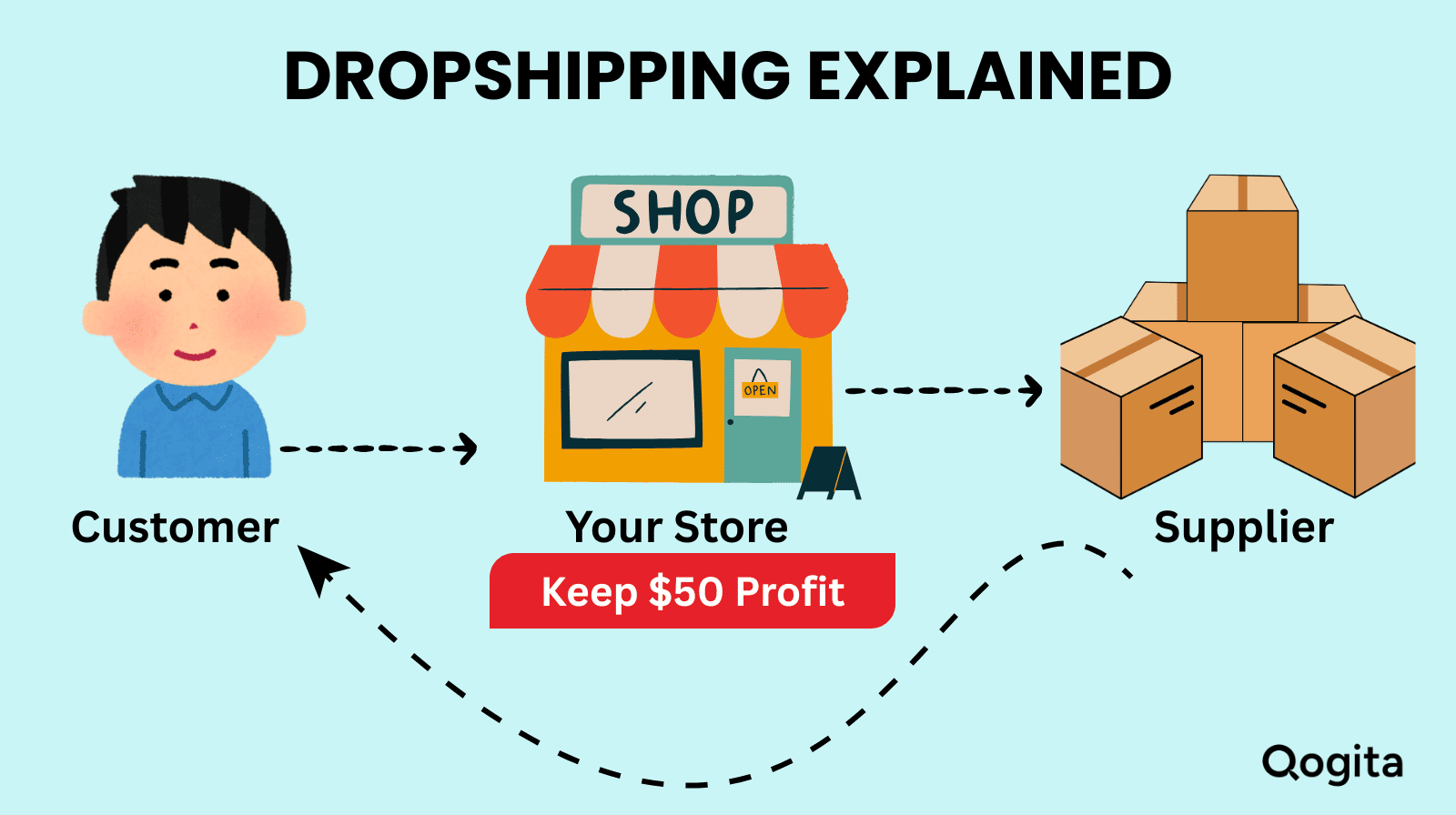
Dropshipping is not only a product-sourcing technique but also a fulfillment strategy that allows you to sell products without ever owning or storing inventory.
As a retailer, you partner with a dropshipping supplier who stores the inventory and handles the entire shipment process directly to your customer. This model minimizes financial risk and provides immense flexibility for testing product ideas.
The product sourcing process is straightforward:
- Find a reliable dropshipping supplier.
- Add their products and compelling descriptions to your online store.
- Market your store and products to potential customers.
- When you receive an order, the supplier is automatically notified, and they manage the product sourcing and delivery logistics.
To achieve fast delivery and minimize customer complaints, it is important to use platforms connected to regional warehouses. Examples include Avasam (focused on verified UK suppliers) and Syncee (offering access to verified European suppliers with quick delivery times).
Pros of sourcing from dropshipping suppliers:
- Low startup costs since there's no inventory to buy or store.
- No need to handle order fulfillment; the supplier manages shipping.
- An easy way to test multiple products and niches quickly.
Cons of sourcing from dropshipping suppliers:
- Low profit margins (typically 15–30%) due to intense competition.
- Less control over quality and customer experience as compared to other sourcing options.
- High volume of competitors selling the same product.
Wholesalers
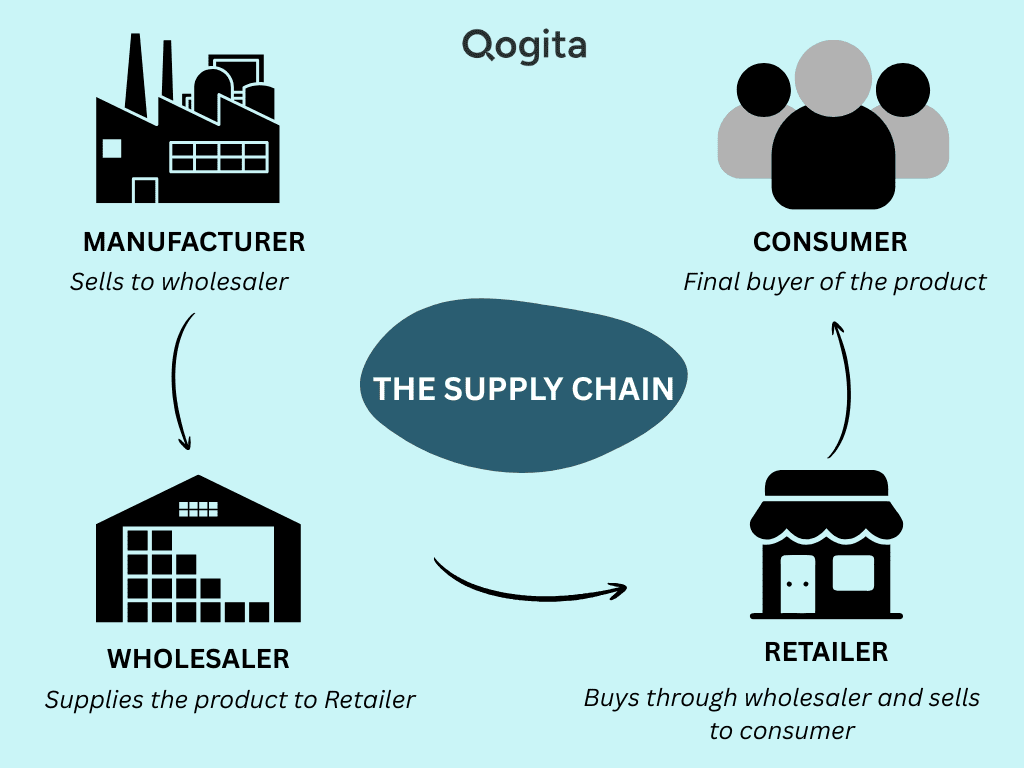
Wholesale product sourcing involves purchasing existing, branded goods or generic items in large bulk quantities directly from a manufacturer or distributor.
This method is a step up from dropshipping, as it requires substantial upfront capital to purchase the inventory. By buying in bulk, you secure a much lower cost per unit, using the economies of scale to achieve high profit margins.
The typical product sourcing process when working with a wholesaler involves:
- Obtaining a resale license and a Tax ID to qualify for wholesale accounts.
- Contact distributors or manufacturers and request their current product catalog and price list.
- Placing a bulk order that meets the mandatory Minimum Order Value (MOV).
- Receiving and storing the inventory yourself (or sending it directly to a fulfillment center).
- Managing all inventory tracking, product sourcing, and delivery logistics.
Traditionally, finding a wholesaler meant attending trade shows or searching specialized directories like SaleHoo. Luckily, modern B2B marketplaces have simplified the process.
Qogita is a leading digital wholesale platform for premium products that brings together catalogs from 500+ verified European suppliers into a single central marketplace. This allows retailers to compare prices and spot high-margin opportunities far more efficiently than reaching out to suppliers separately.

Pros of sourcing from Wholesalers:
- High gross profit margins, often exceeding 40% to 50%, due to volume discounts.
- Greater control over product quality and the fulfillment/packaging process.
- The inventory is available immediately, reducing product sourcing and delivery wait times.
Cons of sourcing from Wholesalers:
- Requires a high upfront investment to purchase and store inventory.
- Risk of being stuck with dead stock if the product does not sell as projected.
- High barrier to entry (requires business registration, tax IDs, and potentially warehouse space).
Manufacturers (Private & White Label)
This sourcing method is for the retailer aiming for maximum brand control and long-term asset building. Working directly with a manufacturer involves commissioning goods to be produced specifically for your business, eliminating all middlemen.
This approach splits into two main types:
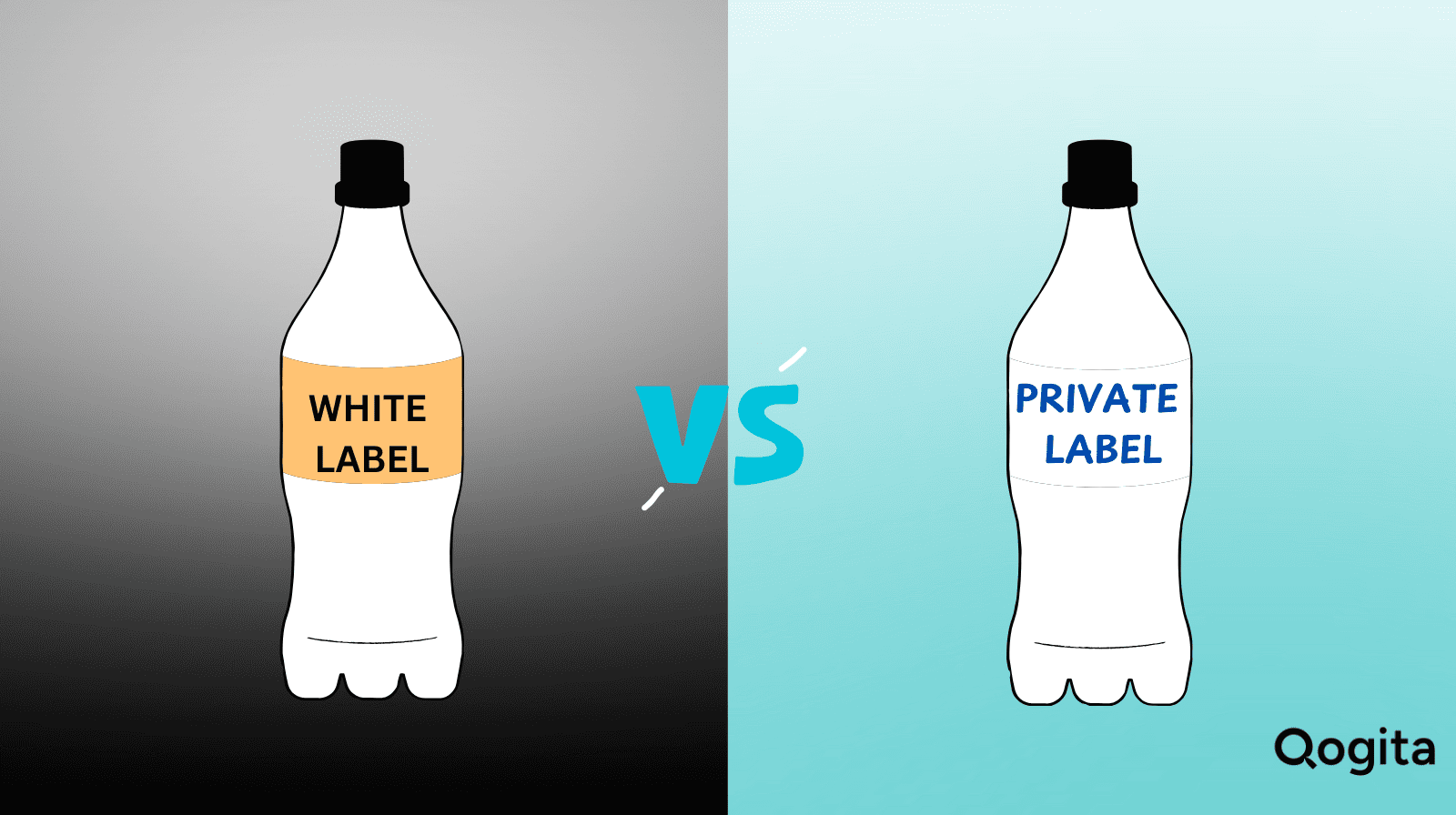
- White Label: Using a manufacturer's existing product, packaging, and formula, and simply applying your unique brand label and logo. It is the fastest path to having a proprietary product.
- Private Label: Customizing or designing a unique product from scratch, including specifications for features, materials, and size, for your brand's exclusive sale.
The detailed product sourcing process for manufacturing is:
- Create detailed product specifications, including quality standards and desired features.
- Identify potential manufacturers through directories and platforms.
- Request quotes and check the production capacity, certifications (like ISO or GMP), and experience in your niche.
- Order and test samples to verify product quality and ensure compliance with your specifications.
- Negotiate payment terms, order values, and sign a contract that protects your Intellectual Property.
Alibaba is the best platform as it offers a wide range of suppliers and provides trade assurance to protect buyers.
You can also source manufacturers through Make it British, which lists UK-based factories, and through UKFT for clothing and textile production. Many buyers also work with local small-batch producers for food, crafts, skincare, and artisan products.
Global manufacturing hubs such as China, Turkey, Vietnam, and India are also common options, either accessed through Alibaba or via sourcing agents.
Pros of Sourcing from Manufacturers:
- Maximum brand differentiation, as you control product features, quality, and appearance.
- High profit margins by eliminating all intermediary costs.
- Exclusive product line creates a defensible market position (a "hidden monopoly").
Cons of Sourcing from Manufacturers:
- Requires the highest upfront capital investment.
- Long lead times (often 4–12 months) for prototyping, production, and product sourcing and delivery.
- High financial risk if market reception is poor or quality issues arise after mass production.
Trade Shows and Industry Events
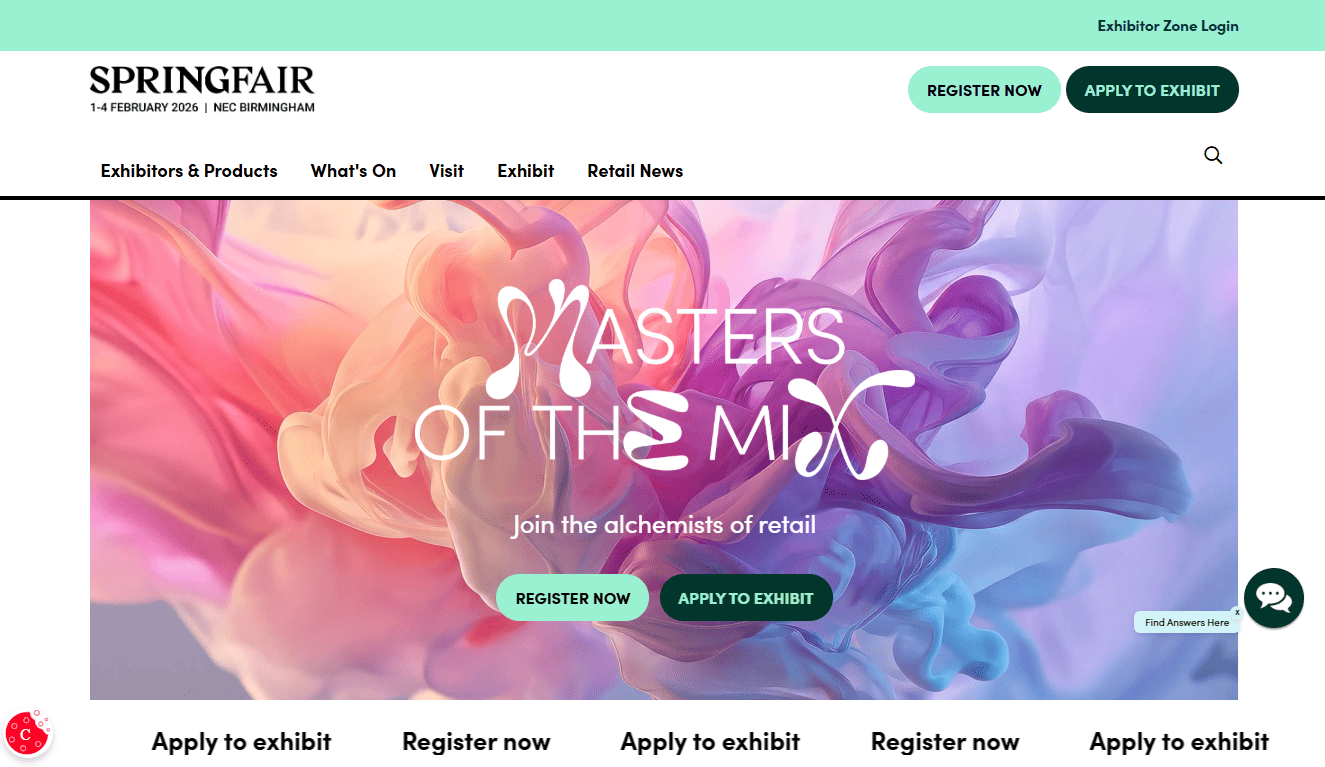
While the digital age has made online product sourcing the norm, physical trade shows and industry events remain an invaluable source of high-quality leads and insights.
These shows and events act as a hub where you can meet hundreds of potential manufacturers, wholesalers, and distributors in a matter of days. The primary benefit is the ability to bridge the digital gap by building face-to-face relationships.
The typical product sourcing process at a trade show involves:
- Researching the event's exhibitor list and floor plan to target key vendors before attending.
- Engaging with exhibitors to ask detailed questions and physically inspect product samples for quality.
- Collecting business cards and taking meticulous notes on MOQs, pricing, and supplier demeanor.
- Following up immediately after the show to request quotes, samples, and begin contract negotiations.
Important UK trade shows include Spring Fair and Autumn Fair at the Birmingham NEC, which focus on home, gift, and retail categories. Top Drawer in London showcases design-focused products, while the London Toy Fair specialises in toys and games. For food-sector sourcing, the Food & Drink Expo is a major event.
Pros of sourcing at Trade Shows:
- Allows for direct, tactile quality assessment (see, touch, and test the product).
- Facilitates relationship building, often leading to better negotiation leverage and payment terms.
- Instant, high-level market research by observing competitor offerings and industry trends.
Cons of sourcing at Trade Shows:
- Requires significant investment in travel, accommodation, and time.
- Can be overwhelming, requiring extensive pre-planning and focus.
- Deals offered at the show may not always include the final product sourcing and delivery costs.
What is Product Sourcing on Amazon?
Product sourcing on Amazon involves identifying, acquiring, and securing inventory for resale on the Amazon marketplace, typically using the Fulfillment by Amazon (FBA) service.
The goal of this phase of the product sourcing process is not just finding a good product, but finding one with high demand, low existing competition, and a strong profit margin after factoring in Amazon's substantial fees (referral fees, FBA storage, and fulfillment costs).
Sellers on Amazon generally adopt one of two primary sourcing strategies: Private Label or Wholesale/Arbitrage.
Amazon Private Label Sourcing
This method involves creating a unique, branded product by modifying a generic item or designing a new one and selling it exclusively under your own brand on Amazon.
For example, you source a basic stainless-steel water bottle from a manufacturer, customise it with unique colours and eco-friendly packaging, then launch it under your own brand as a premium hydration product.
Your success here depends entirely on product differentiation and building brand equity.
The product sourcing process on Amazon Private Label:
- Data-Driven Research: Use proprietary tools (like Helium 10 or Jungle Scout) to find high-demand, low-competition niches and identify common customer complaints in existing product reviews.
- Product Differentiation: Work with manufacturers (usually via Alibaba) to develop a product that solves those complaints or adds a unique feature.
- Manufacturer Vetting: Request multiple samples, negotiate MOVs and terms, and secure a supply chain that can manage the product sourcing and delivery directly to an Amazon Fulfillment Center.
- Brand Creation & Launch: Register your brand with Amazon's Brand Registry and launch the product using advertising (PPC) and listing optimization.
Expert Advice (Product Differentiation)
"Focus on making improvements to an existing product. It doesn't have to be a product that you even offer. Choose a product that sells well, and spend time going through the negative reviews for the product. Take those negatives and have your factory make improvements to the product. Is the fabric too thin? Find a different material. Does a certain element of the product break? Whatever the problem is, fix it in production—then start selling it yourself."
— Greg Mercer, Founder of Jungle Scout (as quoted by an industry podcast host summarizing his key advice).
Pros of Private Label:
- Complete control over branding, pricing, and product quality.
- Higher profit margins (often 40%+) and the ability to build a saleable business asset.
- Exclusive listing and ownership of the Buy Box.
Cons of Private Label:
- Highest startup cost (often $3,000–$10,000) for inventory, samples, and marketing.
- Long lead times (3–6 months) from product concept to listing going live.
- High financial risk if the initial product launch fails.
Amazon Wholesale and Arbitrage Sourcing
This model focuses on reselling established, branded products. Wholesale involves buying a product in bulk directly from the brand or an authorized distributor to share the Amazon listing with other sellers.
Arbitrage (Retail or Online) involves purchasing products from traditional retail stores or e-commerce sites when they are on sale and reselling them on Amazon at a higher price.
The product sourcing process for Wholesale/Arbitrage:
- Deal Hunting: Use tools (like Keepa or Seller Assistant App) to analyze existing Amazon listings and identify branded products with low competition and a high sales velocity.
- Supplier Acquisition: For Wholesale, apply for accounts with manufacturers and distributors. For Arbitrage, manually or automatically scan the clearance and sale sections of retail sites.
- Listing and Fulfillment: Purchase the product and prep it for shipping to the Amazon FBA warehouse. The product already has an established listing, reducing setup time.
- Pricing Management: Use automated repricing software to constantly adjust your selling price to win the Buy Box, which is critical for product sourcing and delivery success in this competitive space.
Tools that analyze price history are essential when you sell on Amazon. Keepa tracks the price, rank, and Buy Box ownership history of any Amazon product, while the Seller Assistant App helps sellers quickly check product restrictions and profitability.
Expert Advice (The Buy Box)
"In the battle for the Buy Box, the lowest price does not always win. Amazon's algorithm is complex, considering factors like competitive pricing, fulfillment method (FBA vs. FBM), shipping time, and seller metrics. Your primary strategy should be to maximize your Seller Performance score (ODR, Feedback, etc.) because a strong score allows you to win the Buy Box even at a higher price than a competitor with poor metrics."
— Brandon East, Director of Content Strategy at Jungle Scout (via "How to Win the Amazon Buy Box in 2024" guide).
Pros of Wholesale/Arbitrage:
- Faster time-to-market and lower startup capital than Private Label.
- Relies on existing product demand and reviews to minimize marketing costs.
- Best for beginners due to the simpler product sourcing process.
Cons of Wholesale/Arbitrage:
- Low profit margins (often 10–20%) due to intense competition and price wars.
- Requires constant monitoring of prices and inventory levels.
- Risk of Intellectual Property (IP) claims from brands if you don't have authorization.
Product Sourcing Best Practices for Success
Mastering the mechanics of dropshipping or private label is only half the battle. For long-term e-commerce success, you must integrate strategic best practices to minimize risk and build profitable supply chains.
Conduct Thorough Market Research
Before you engage in any product sourcing process, you must prove that customer demand exists and your product idea solves a problem. Strategic research drastically reduces financial risk.
This involves more than just price checking; it means analyzing market trends, the competitive landscape, and checking supplier financial stability. This deep dive ensures you're not overinvesting in a product consumers have lost interest in.
Always Vet Suppliers and Order Samples
A glossy PDF catalog or website photos are never enough. Physically inspecting a sample is the only way to verify quality and minimize the risk of a costly mass-production failure. The vetting process extends beyond the product itself to the supplier's reliability.
Order samples from your top three potential suppliers. Use this phase to assess not only the product's quality (materials, functionality) but also the supplier's professionalism, communication clarity, and response speed.
Evaluate Suppliers with Key Metrics (KPIs)
Once you find a potential partner, you must establish clear performance standards. Consistent quality and reliability are measured by Key Performance Indicators (KPIs).
Brands working with fragmented, unsupervised supplier networks can lose up to 30% more on quality defect-related costs, from rework delays to lost sales. This makes rigorous supplier evaluation non-negotiable.
The two metrics that directly impact your customer satisfaction and profitability are:
- On-Time, In-Full (OTIF): Measures the percentage of orders delivered on the agreed-upon date and containing the complete quantity ordered. A low OTIF score immediately leads to stockouts and customer frustration.
- Defect Rate (or PPM): Tracking the rate of defective units ensures your supplier meets the agreed-upon quality standard, directly reducing your product return rate.
Build Strong Supplier Relationships
Your suppliers should be treated as equal partners, not just transactional vendors. Strong vendor relationships create competitive advantages, leading to long-term savings, higher-quality products, and supply chain resilience.
"You can't pursue a heightened relationship if you're constantly focused on contract noncompliance and day-to-day vendor management issues like missed deadlines or quality issues," said Doug Roginson, Head of Supplier Relationship Management at JPMorganChase.
He emphasizes that resolving basic operational issues is the foundation for strategic collaboration, in which suppliers might share innovations or offer preferential treatment during shortages.
Conclusion
Getting product sourcing right is the single most important step in building a successful online business. Whether you choose dropshipping for a low-risk start or wholesale for high profit, success depends on one thing: smart relationships.
Treat your suppliers as long-term partners, always test samples, and use data to monitor performance. If you want to deal with verified suppliers who offer authentic products, marketplaces like Qogita offer an efficient starting point.
By following the tips we shared above, you can build a reliable product sourcing and delivery chain that ensures profitability and allows your business to grow confidently.
Product Sourcing FAQs
What Is the Meaning of Product Sourcing?
Product sourcing is the business process of finding and acquiring goods to sell to customers for profit. It involves identifying reliable suppliers, negotiating terms, and establishing a consistent supply chain for the inventory your business needs.
How Do I Source a Product?
The product sourcing process involves four main steps: market research to validate the product idea, selecting a sourcing method, vetting and sampling potential suppliers, and finally, negotiating terms and managing the product sourcing and delivery logistics.
What Are the Four Sourcing Approaches?
The four main product sourcing approaches are: 1) Dropshipping, where the supplier handles fulfillment; 2) Wholesale, where you buy bulk inventory from distributors; 3) Manufacturing (Private/White Label), where you commission custom goods; and 4) Arbitrage, where you resell discounted retail items.
How Do I Find a Manufacturer to Make My Product in the UK?
You can find UK manufacturers through specialized online directories like Make It British or ThomasNet. Attending local trade shows is also very effective, as it allows you to meet potential manufacturers face-to-face and discuss custom product specifications.
How Much Do Sourcing Agents Charge?
Sourcing agents' fees vary widely depending on the region and service scope. They typically charge either a flat rate, a retainer fee (monthly), or, most commonly, a commission fee ranging from 3% to 10% of the total value of the goods purchased.
How to Source Products from China to the UK?
To source products from China, you can use platforms like Alibaba to identify manufacturers that offer Trade Assurance. After choosing a supplier, the buyer should book a third-party inspection service in China and organise international freight forwarding by air or sea to handle customs clearance and ensure the goods reach a UK fulfillment centre safely.
How to Be a Product Sourcer?
To work as a product sourcer, you need strong analytical ability to identify profitable opportunities, solid negotiation skills, and a good understanding of supply chain processes. It’s best to begin by specialising in one sourcing model, such as dropshipping or wholesale, and then focus on building dependable, long-term relationships with your supplier