
Selling beauty products on Amazon UK is a major chance for profit, especially since almost 90% of UK shoppers use Amazon and around 40% have access to its Prime subscription service, according to a report from The Guardian.
Beauty items like makeup and skincare keep selling even when money feels tight because people still reach for small treats that make them feel good.
To earn real money in this space, you need to buy well-known cosmetic products in bulk and match your stock to the changing seasons.
In this guide, we’ll walk you through how to choose the best beauty products and follow the rules for smart, seasonal wholesale beauty resale.
Strategic Inventory Planning: The Q1 to Q4 Seasonal Calendar
You cannot sell the same products profitably all year. Successful wholesale requires planning your inventory to match the four major spending cycles. This ensures you capture peak demand and avoid holding slow-moving stock.
1. Winter Peak (Q4 & Q1): Gifting, Luxury, and Extreme Hydration
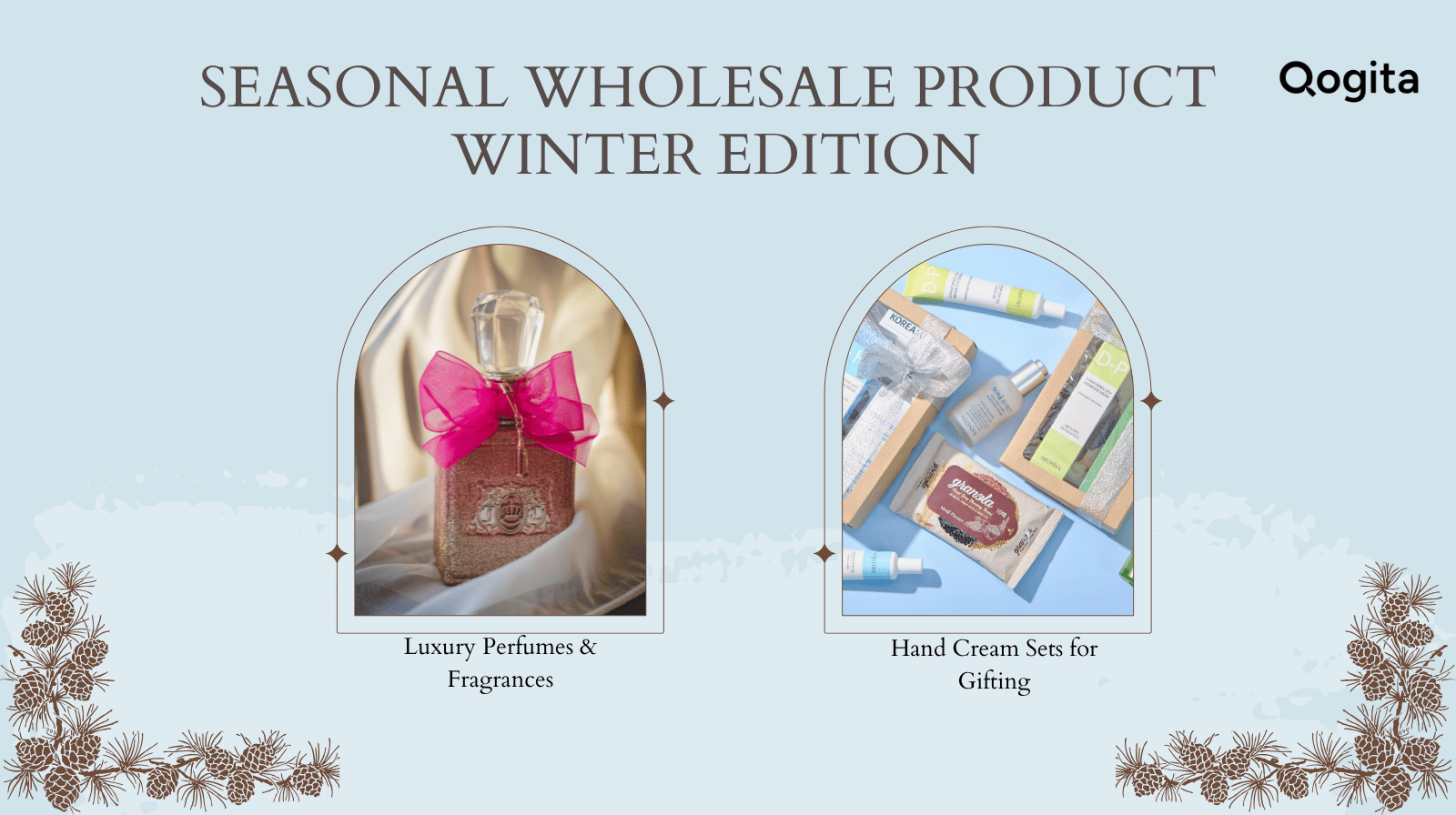
This is the longest and most profitable stretch of the year for retailers, starting with the busy holiday rush in Q4 (October to December) and carrying straight into the harsher winter months in Q1 (January to March).
Focus on Gifting and Luxury in Q4
The end of the year is when consumers buy for others. You must prioritize Fragrances and branded Gifting Sets. These items offer the highest potential profit margins, starting at 65% or even more.
Consumers look for easy, pre-packaged gifts like L'Occitane Hand Cream Sets or popular Clinique Gift Boxes. The goal here is luxury perception and convenience. Also, stock popular self-care items perfect for stocking fillers, such as Aromatherapy Shower Steamers and Kitsch Heatless Curls Sets.
Focus on Barrier Repair in Q1
Once the holidays pass, the cold and damp UK weather drives demand for functional skincare. The skin barrier is often damaged by the elements, so shoppers buy products that intensely hydrate and repair.
Focus on skincare products packed with Ceramides, Squalane, and Hyaluronic Acid, since these formulas stay in high demand during the colder months.
Popular options like La Roche-Posay Toleriane Moisturiser or CeraVe Hydrating Cleansers continue to sell steadily through the first quarter as shoppers look for anything that helps them deal with winter dryness.
2. Spring Renewal (Q2): Brightening and Preparation

As the weather warms and natural light increases (April to June), consumer focus shifts. They move away from heavy winter creams and toward revitalization and getting ready for the summer social calendar.
Renewal Skincare is Key
The highest demand is for active ingredients that brighten the skin and improve texture. Stock products with Vitamin C and Niacinamide.
These are essential for giving the skin a glow after winter. Fast-moving examples include TruSkin Vitamin C Facial Serum or gentle exfoliants like Paula’s Choice 2% BHA Liquid Exfoliant that refine pores and texture.
Event Prep and Long-Wear Makeup
This quarter starts the season for weddings, festivals, and outdoor parties. Long-lasting makeup is a necessity. Focus on items like quality Setting Sprays (e.g., Milani Make It Last) and durable lip products like long-wear lip stains or the popular e.l.f. Glow Reviver Lip Oil.
Also, keep an eye on viral haircare, such as Mielle Organics Rosemary Mint Strengthening Oil, which sees sustained demand driven by social media.
3. Summer Surge (Q3): The SPF and Travel Essential Market
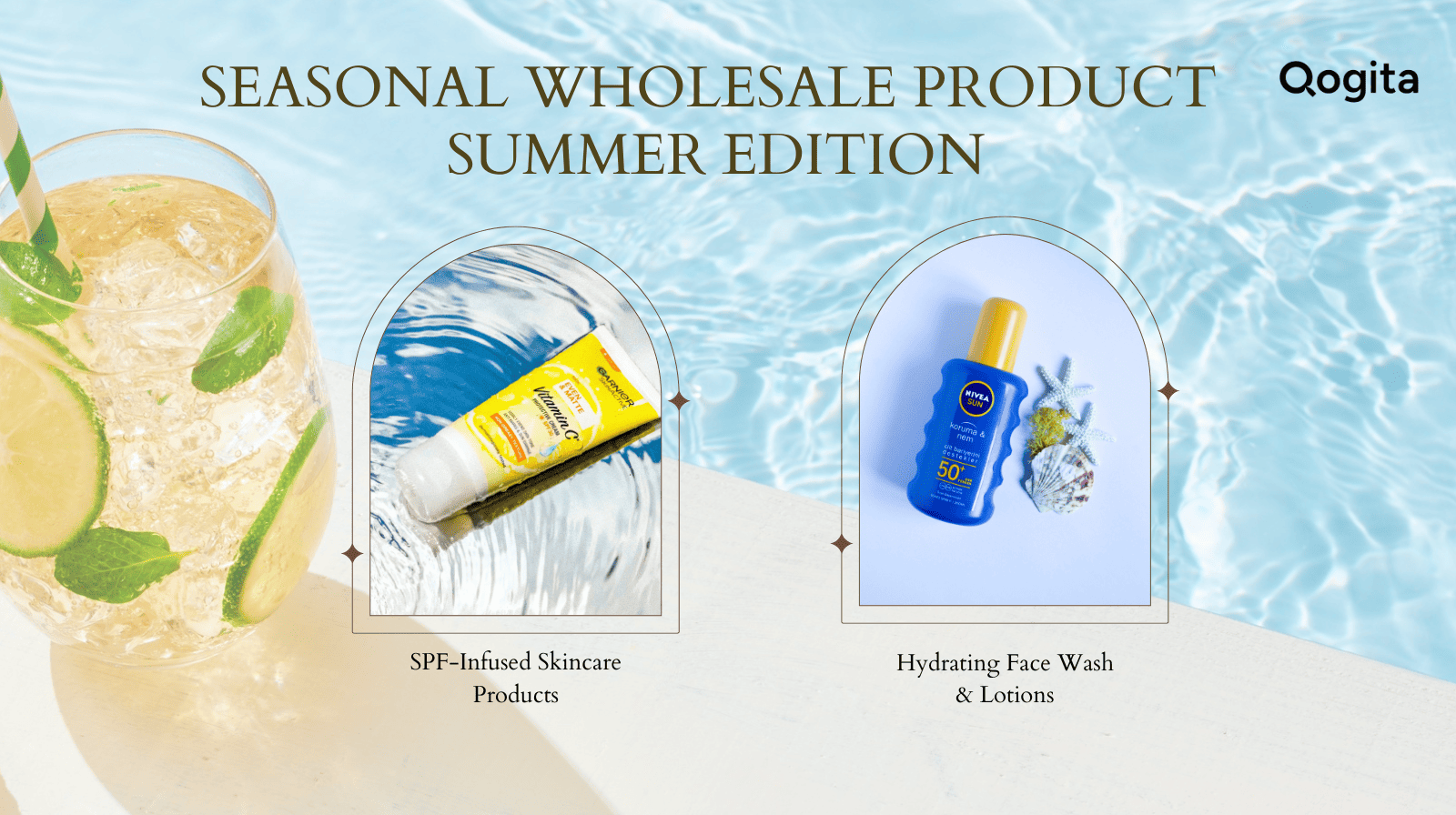
The summer quarter (July to September) is dominated by two highly profitable categories: required sun protection and small, portable travel items.
The SPF Necessity
Sun Protection Factor (SPF) is a non-negotiable, high-volume category. Consumers buy large quantities for daily use and holidays. You must stock reliable, high-trust brands like La Roche-Posay Anthelios or popular US imports like EltaMD UV Clear Facial Sunscreen. Remember, strict compliance rules apply to sunscreens.
With more skin on show, mass-market Sugar Scrubs (like Tree Hut Vitamin C Shea Sugar Scrub) and exfoliating body washes are also high-turnover items.
Travel-Sized Minis
People packing for holidays need flight-compliant sizes that are usually under 100ml. Get or create travel-sized versions of best-selling products across all categories.
Small kits like the TULA Probiotic Skin Care Discovery Kits and mini fragrance sets sell very quickly because they save customers time and meet airline liquid restrictions.
Product Category Analysis and High-Growth Niches
Not all beauty products offer the same profit potential. To maximize your returns on Amazon, you must invest your wholesale capital into the categories proven to deliver the highest margins and fastest growth.
Profitability Hierarchy: Where to Invest Wholesale Capital
Your profit margin is the single most important number in wholesale. It is the percentage of revenue you keep before calculating Amazon fees, which means a higher gross margin gives you a crucial buffer. The categories stack up this way:
Fragrance (65-85% Gross Margin)
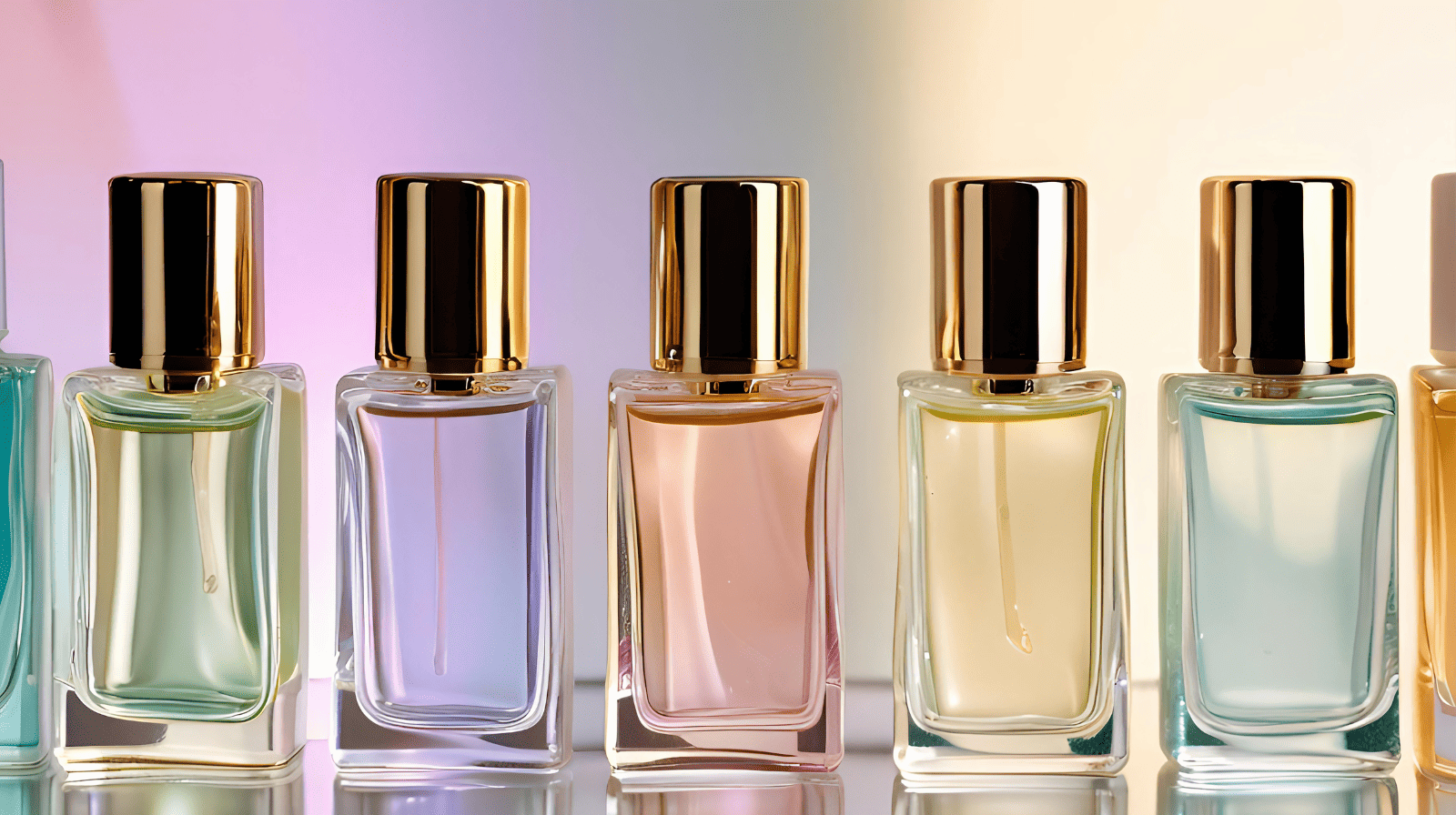
This category consistently offers the highest margins. This is due to its high perceived value, low volume (relative to cost), and strong demand for gifting. Your primary profit strategy here is buying niche or luxury scents and branded gift sets. Fragrance revenue often sees less seasonal fluctuation than makeup outside of Q4.
Skincare (60-80% Gross Margin)
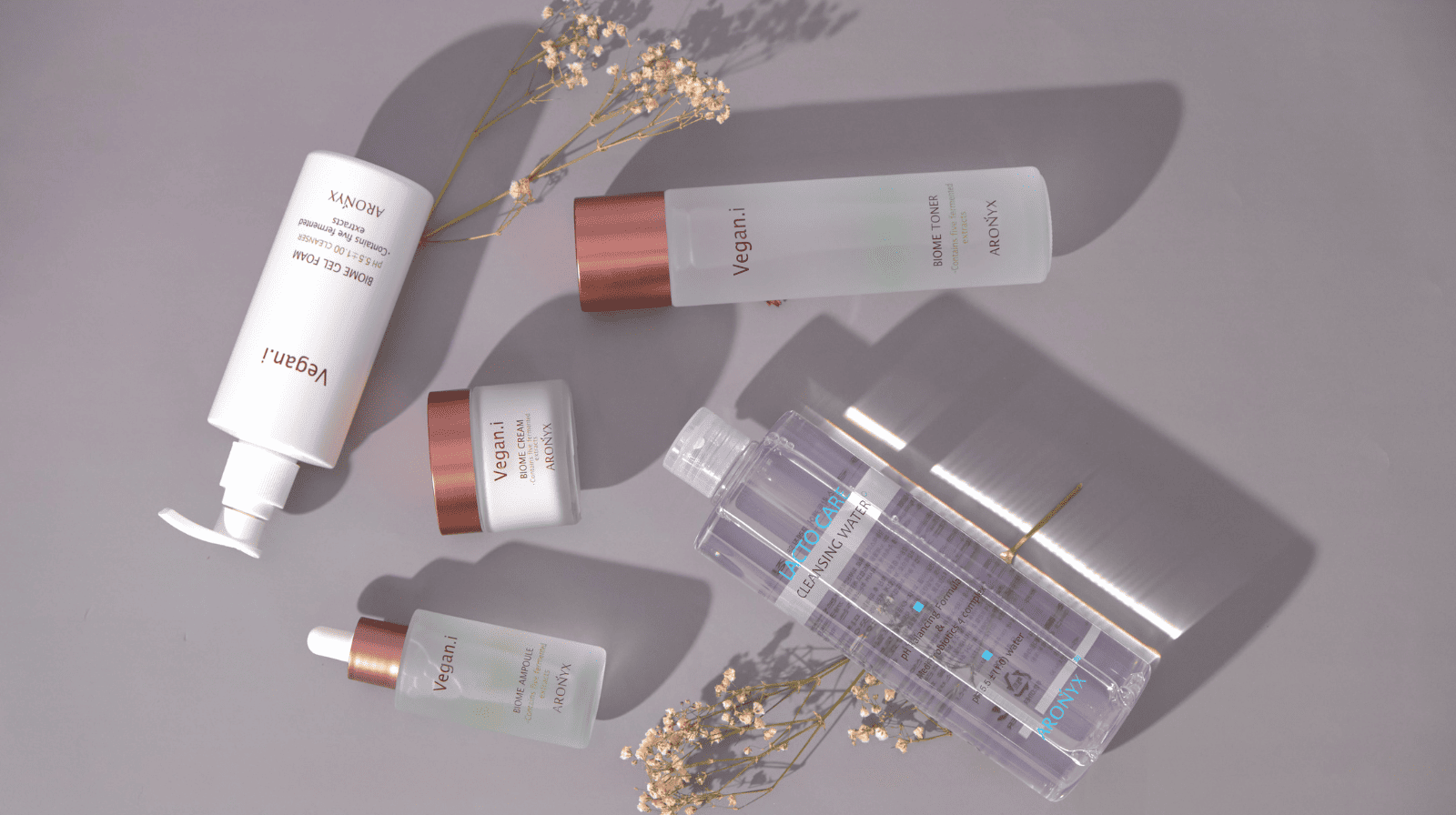
Skincare is the largest segment of the UK cosmetics market and commands about 41% of the total revenue. This is a repeat-purchase business.
The real money is in selling premium serums and specialty treatments, such as anti-ageing products with Retinol or Vitamin C, which can reach margins of 75-80%. Consumers are loyal to products that deliver visible results.
Haircare (50-65% Gross Margin)
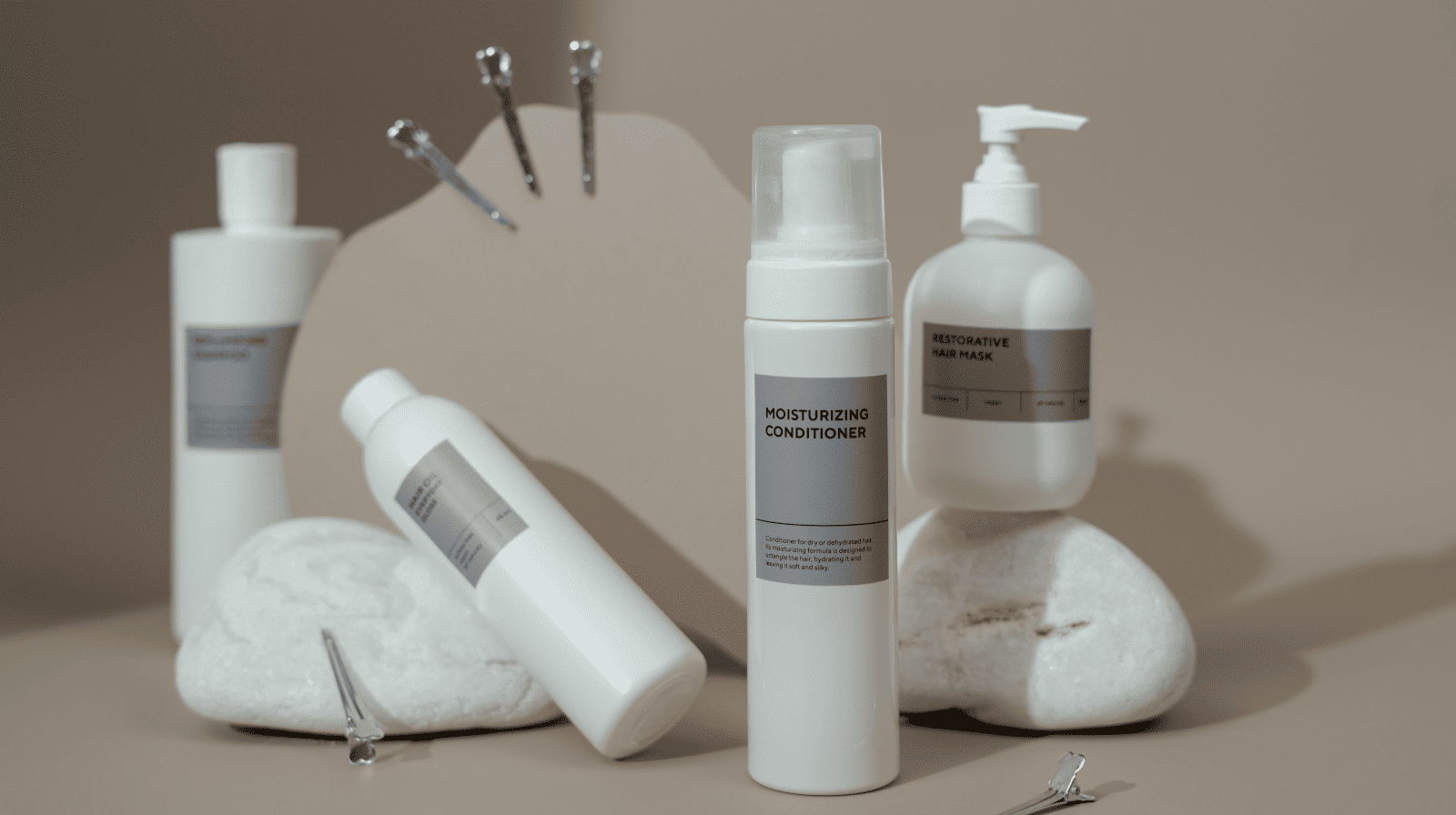
Success in haircare usually comes from leaning into niche needs. Products that offer personalized solutions for texture, growth, or color safety tend to move quickly because they solve specific problems shoppers care about.
Hair growth serums, for example, can bring in strong margins for that reason. Stick to sulfate-free options and texture-focused formulas if you want to capture the steady growth in this category.
Makeup (40-55% Gross Margin)

Makeup has the lowest average margin, but it benefits from high-velocity, social media-driven trends. The primary strategy here is speed.
Items that go viral on platforms like TikTok (such as liquid lipsticks or cream blushes) offer strong profits, with categories like liquid lipsticks reaching up to 55% gross margin due to high demand.
If you want a full breakdown of the most profitable cosmetics to sell on Amazon, make sure to read our comprehensive guide.
Exploiting High-Growth Niches on Amazon UK
To truly pull ahead, you must identify and source products in trending niches before they saturate the market.
The K-Beauty Breakthrough
Korean Beauty, or K-Beauty, has moved from a specialty trend to a mass-market success in the UK. Social platforms drive massive visibility as keywords related to the K-Beauty trend most of the time. Your strategy is to convert this cross-platform virality into Amazon search intent.
Source reputable wholesale brands like CosRX, Dr. Jart+, and Innisfree. Their products, like the CosRX Snail Mucin Power Essence, are highly popular because they are results-driven, which increases customer loyalty and repeat purchases on Amazon.
Clean and UK-Made Beauty
The UK consumer places a high value on sustainability, ethical sourcing, and clean ingredients. This segment often commands margins between 50% and 70% because consumers are willing to pay a premium for conscious products.
Source ethically produced, natural British brands to meet this demand. Look for products that are certified organic, vegan-friendly, and cruelty-free. Examples of brands that fit this category include Botanicals (certified organic products hand-crafted in the UK) and Balmonds (focused on natural solutions for sensitive skin).
Products in this niche that use local sourcing and sustainable packaging are currently outperforming traditional goods.
Strategic Sourcing: Vetting Wholesalers and Mitigating Authenticity Risk
Profit is meaningless if your Amazon account is suspended due to authenticity claims. The beauty market is highly regulated, and Amazon’s rules are quite strict. Your sourcing strategy must prioritize compliance and documentation above all else.
Vetting FBA-Ready UK Wholesalers
You need partners who can consistently provide competitive prices and guaranteed genuine stock.
Look for wholesalers who specialize in beauty and have established relationships with major brands like Maybelline, L'Oréal, and Nivea. A strong wholesaler offers three key things:
- Competitive Pricing: The price must allow for your target 15% to 20% FBA net profit after all Amazon fees.
- Reliability: They must be able to fulfill orders accurately and quickly, especially during seasonal peaks.
- Authenticity Guarantee: They must explicitly guarantee 100% genuine products and provide the necessary paperwork to prove it.
This is where a dedicated wholesale platform like Qogita offers a significant advantage. Qogita streamlines your wholesale process by putting over 500 vetted suppliers onto a single platform. This removes the need for you to establish relationships with dozens of individual suppliers, which is time-consuming.
Furthermore, Qogita provides a guaranteed authenticity system for compliant Amazon resale. This level of verification is key, as they are specifically designed to support Amazon sellers with their compliance needs.
The Amazon Authenticity Checklist
Amazon wants a clear and traceable record of where your branded products come from, and you need to be ready to show proof at any time, so you don’t risk suspensions or losing your listings.
Mandatory Documents
When the platform requests proof of authenticity (a process known as "ungating" for restricted brands or responding to a customer complaint), you have to provide:
- Valid Manufacturer/Distributor Invoices: Your invoices must be itemized, dated within the last 180 days, and show the supplier’s full details along with your business information. Amazon should be able to look up the supplier and confirm that they are legitimate.
- Letters of Authorization (LoA): For some high-end, restricted brands, Amazon may require a Letter of Authorization directly from the brand owner confirming that you are an approved reseller.
Prohibited Listings
You must strictly adhere to Amazon’s ban on products with altered or obscured identifying codes. Products where the matrix, lot, or batch numbers have been removed or changed are immediately flagged as potential counterfeits. This is a critical anti-counterfeit measure. Never buy goods with tampered packaging or codes.
High-Level Compliance Note
Beyond Amazon, all cosmetics placed on the Great Britain market must comply with the law. This is a crucial step that many sellers overlook. Every product must have a UK Responsible Person (RP) named on the label and must be notified via the SCPN service (Submit Cosmetic Product Notification) before it can be legally sold to UK consumers.
If your wholesaler cannot confirm compliance with UK market requirements, you risk seizure and significant fines. Read our guide on UK cosmetic compliance and EU cosmetic compliance to make sure you meet all required standards.
Mastering Amazon FBA Economics and Scalability
Selling high-demand wholesale beauty products on Amazon is only profitable if you master the core economics of the FBA (Fulfillment by Amazon) program. A failure to accurately calculate your total costs or manage inventory velocity will quickly erase your margins.
Calculating True Landed Cost and Protecting Margins
The retail price is not your revenue; it is the total money collected. To find your true profit, you must understand all costs.
The Financial Reality
Amazon fees can consume a huge portion of your sales. The Referral Fee for Beauty, Health, and Personal Care is typically 8% for items sold at £10.00 or less, and 15% for items over£10.00. The FBA Fulfillment Fee (for picking, packing, and shipping) is complex, based on the product’s size, weight, and dimensional volume.
When combined, these fees, plus VAT, can consume 30% to 50% of your revenue, making your net profit margin (what you keep) tight, often aiming for 15% to 20%.
The Landed Cost Formula
You must calculate your True Landed Cost per unit before setting your price. Landed Cost is the total expense to get the product to the Amazon warehouse, ready for sale.
Landed Cost = Wholesale Unit Price + Inbound Shipping to FC + Prep/Labeling Costs + Duties/Taxes
Your simplified financial model must be:
Landed Cost + Amazon Fees = Minimum Resale Price
If you cannot sell the item above this minimum price, you should not buy the stock. Tools like the Amazon FBA Revenue Calculator are essential because they help you estimate your numbers accurately before you commit to any wholesale order.
Data Agility and Inventory Velocity
The UK Beauty market moves fast, and Amazon punishes slow inventory. Managing inventory velocity (how fast stock sells) is crucial for profit protection.
Mitigating the Long-Term Storage Fee (LTSF) Threat
Amazon charges a costly Aged Inventory Surcharge (previously called LTSF) on stock that sits unsold in its fulfillment centers for too long.
For general inventory, this charge begins once an item has been stored for more than 181 days. This makes it especially important to plan carefully for seasonal beauty items like Christmas gift sets or summer sunscreens because these products have a short sales window.
You need a solid plan for clearing out slow-moving stock, whether that means lowering prices or selling items in bulk outside Amazon. You can then move everything before it reaches the 181-day mark and treat the profit as a storage fee.
Real-Time Trend Spotting
To maintain high velocity, you must act on real-time data. Use the Amazon Movers & Shakers list. This page highlights products, separated by category, that have experienced the largest gain in sales rank in the last 24 hours.
This signals a viral trend or a sudden surge in demand (e.g., a specific serum or toner featured on TikTok). As a wholesale seller, your goal is to:
- Identify the trending product on the Movers & Shakers list.
- Rapidly procure low Minimum Order Value (MOV) stock from a reliable distributor (like a vetted Qogita supplier).
- Get it to FBA quickly to capture the fleeting demand before the trend passes and the competition catches up.
This data-agile approach ensures you maximize profits from both predictable seasonal cycles and unpredictable viral spikes.
Conclusion
Here’s the simple takeaway: To make serious money selling beauty products on Amazon UK, you need to follow our seasonal wholesale plan.
Success depends on timing your inventory so it fits what shoppers want at each stage of the year. That might mean stocking premium fragrances and gift sets during the Christmas rush, then shifting to sun cream and travel minis once summer approaches.
Also, you must buy from reliable wholesalers who can provide proof that the products are 100% real. Using a platform like Qogita makes it much easier to get this guaranteed stock.
If you keep your costs low, time your buys right, and ensure your paperwork is always in order, you will do really well in the UK beauty market.