
The Amazon wholesale model is arguably the most reliable path for UK entrepreneurs to build a scalable e-commerce business.
It involves sourcing proven branded products in bulk from suppliers and using Amazon FBA to handle fulfilment. This strategy removes the risk of product development and leverages Amazon's vast customer base.
This 101 guide will show you exactly where to buy wholesale products to sell on Amazon, including modern solutions like the Qogita marketplace, to start your selling journey.
Setting Up Your Compliant Amazon Wholesale Business
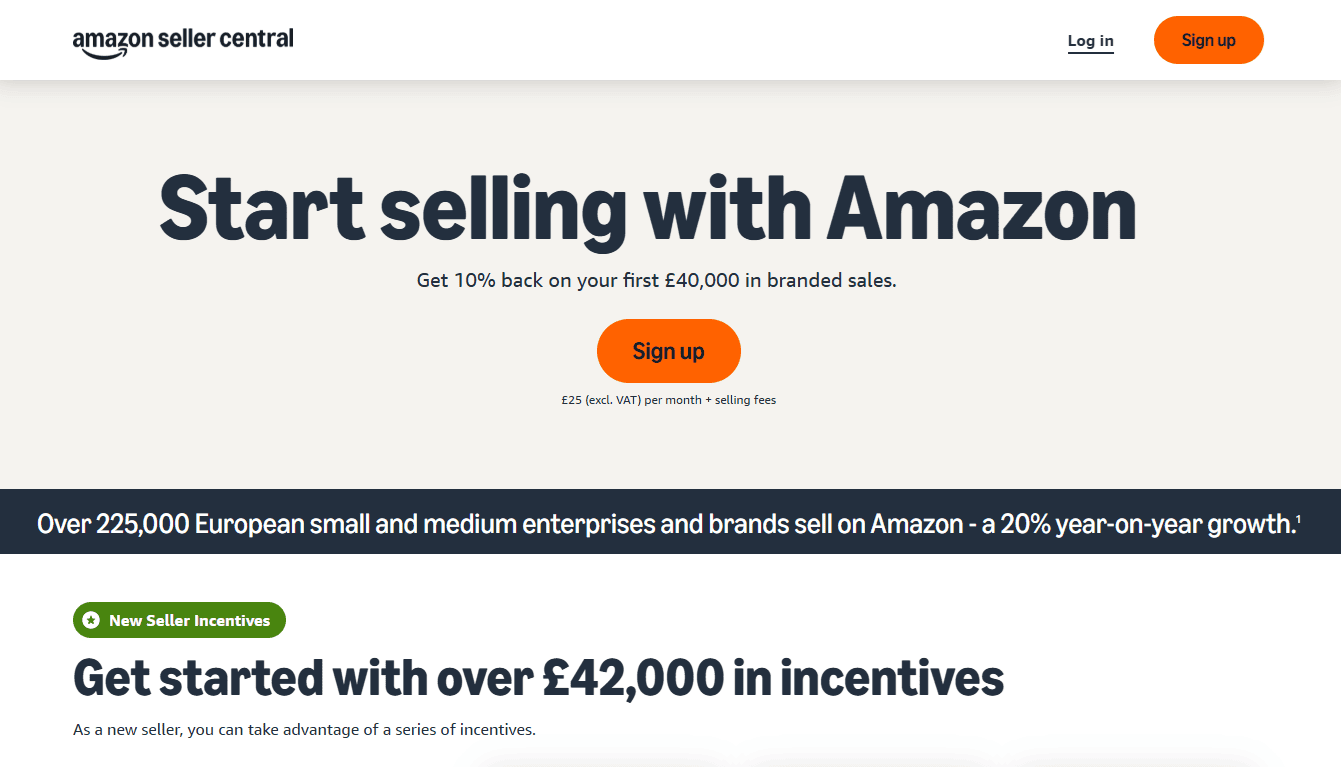
A successful wholesale business is built on absolute compliance. Suppliers require formal documentation, and Amazon demands it for product authentication.
The Essential Business Foundation
- Legal Entity: You must operate as a registered business. In the UK, this typically means registering as a Limited Company (Ltd) or a professional Sole Trader. This legal formality is mandatory for obtaining a VAT number and opening commercial trade accounts with legitimate suppliers.
- Amazon Account: You must subscribe to the Professional Selling Plan (£30/month). This grants access to powerful reporting, bulk listing tools, and the vital ability to apply for brand and category approvals (ungating), which is essential for scaling your Amazon business.
- VAT Registration: Register for VAT immediately if your sales exceed the UK threshold, or if you plan to import goods. Proper VAT registration is fundamental for professional accounting and claiming back any import or purchase VAT (Input Tax).
Addressing the Ungating Hurdle & Proof of Supply
Amazon restricts certain brands and categories (gating) to prevent the sale of counterfeit goods. To sell these, you must be 'Ungated.'
- Commercial Invoices Required: Ungating requires verifiable proof of purchase. This means submitting official commercial invoices directly from your supplier. Retail receipts, order confirmations, or pro forma invoices are universally rejected. The invoice must clearly show your matching Amazon business details and purchase quantities (typically 10+ units).
Qogita: Streamlining Your Documentation for Ungating
One of the biggest hurdles for new wholesalers is getting the right documentation. Platforms like Qogita (which vets its suppliers and focuses on marketplace compliance) offer specific documents designed to achieve authorisation:
- Qogita Invoice: When you buy from Qogita, you will always receive an invoice that contains all the seller and supplier information Amazon requires for authorisation.
- Qogita Supplier Self-Billing Invoice: This document includes all supplier information with product prices redacted, which is preferred by brands for confidentiality while still satisfying Amazon’s requirements.
- Chain of Supply Confirmation Letter: This crucial letter officially confirms the link between the supplier, Qogita, and you (the buyer), providing clear proof of a legitimate supply chain.
Can I buy a product and resell it on Amazon?
Yes, absolutely. But you must buy from the official supply chain (manufacturer or authorised distributor) and obtain the correct commercial invoice as proof of authenticity. This process is non-negotiable for success in Amazon FBA wholesale.
Sourcing Strategy: How to Find Profitable Products and Suppliers
This stage is the engine of your success in Amazon FBA wholesale. It requires a strategic approach to product research and a professional method for engaging potential UK wholesale suppliers for Amazon FBA.
Strategic Product Selection (Find Your Niche)
- Avoid the Giants: The quickest way to fail is chasing massive, household brands. Focus instead on small, niche, and mid-sized UK wholesale suppliers for Amazon FBA. They are far easier to get an account with, typically have lower Minimum Order Values (MOVs), and allow you to secure a dominant market share much faster.
- Data-Driven Decisions: Use analysis tools like Keepa or Helium 10 to scrutinize sales velocity, price stability, and current Buy Box competition. A good candidate product has high sales volume, a stable price, and a manageable number of competing sellers.
Wholesale mistakes are costly; detailed product research prevents you from tying up capital in slow stock.
Where to Buy Wholesale Products For Amazon FBA
Finding the right supplier involves a combination of practice and professionalism.
A. Direct Brand Outreach (The Traditional Method)

This is the most time-consuming method, but it mostly yields the best pricing.
- Identify Targets: Find the product's manufacturer on their website or on the Amazon listing itself. Look for "Wholesale," "Trade," or "Trade Enquiry" links.
- The Professional Script: Do not open by saying, "I'm an Amazon seller." Instead, position yourself as a multi-channel retailer looking for a long-term partnership. Detail your business structure (Ltd company), your website/social media presence, and your planned monthly order volume.
- Persistence Pays: Expect high rejection rates, as it is completely normal. Do not take it personally. Move to the next supplier. Focus on securing relationships with mid-sized brands that are looking to expand their digital footprint.
B. Trade Shows and Directory Agents
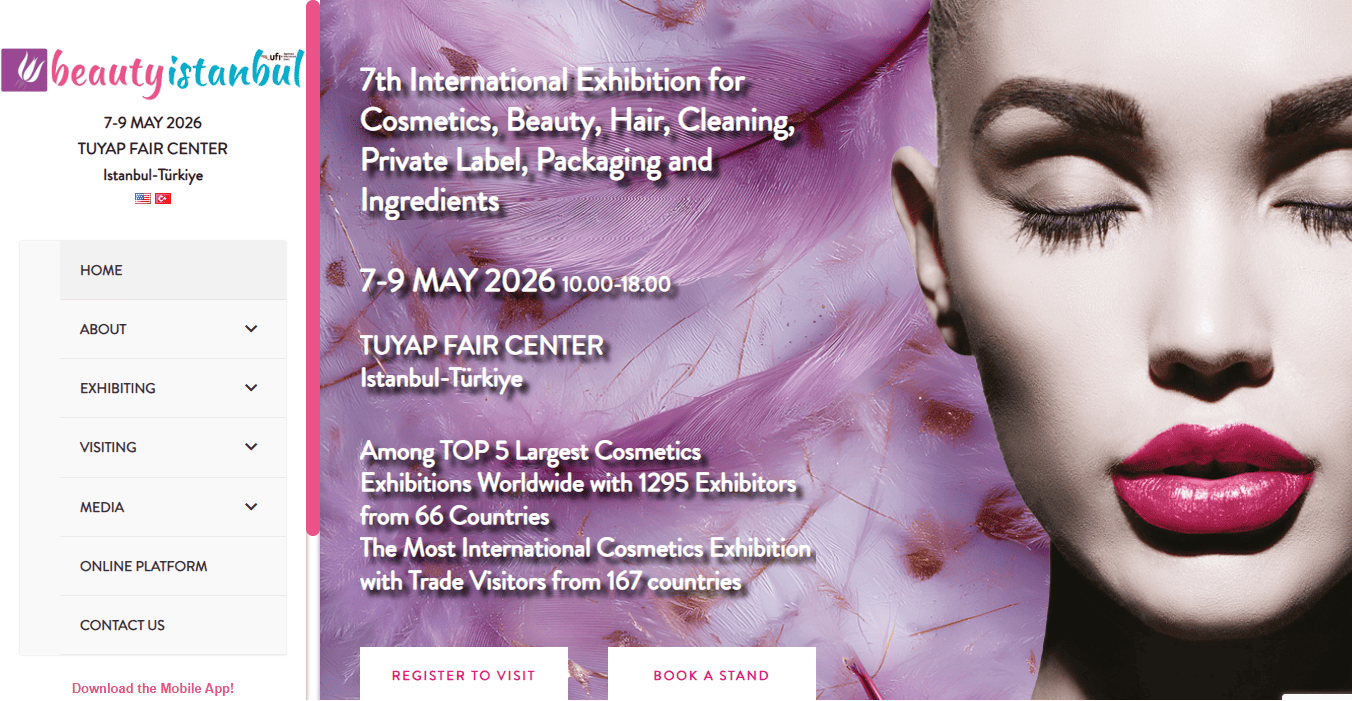
For UK sellers, nothing beats face-to-face interaction for building trust and finding exclusive deals.
- UK Trade Shows: Attend major industry events like Spring Fair, Autumn Fair, or specialized local trade shows (e.g., regional gift fairs, food service expos). You can quickly meet dozens of potential suppliers and often secure introductory deals.
- Directory Agents: Use verified UK trade directories (like eSources or The Wholesaler UK). Filter results to find distributors who manage smaller brands or regional sales agents. These distributors are far more receptive to working with new Amazon FBA wholesale accounts.
C. Online B2B Marketplaces (Modern Efficiency)
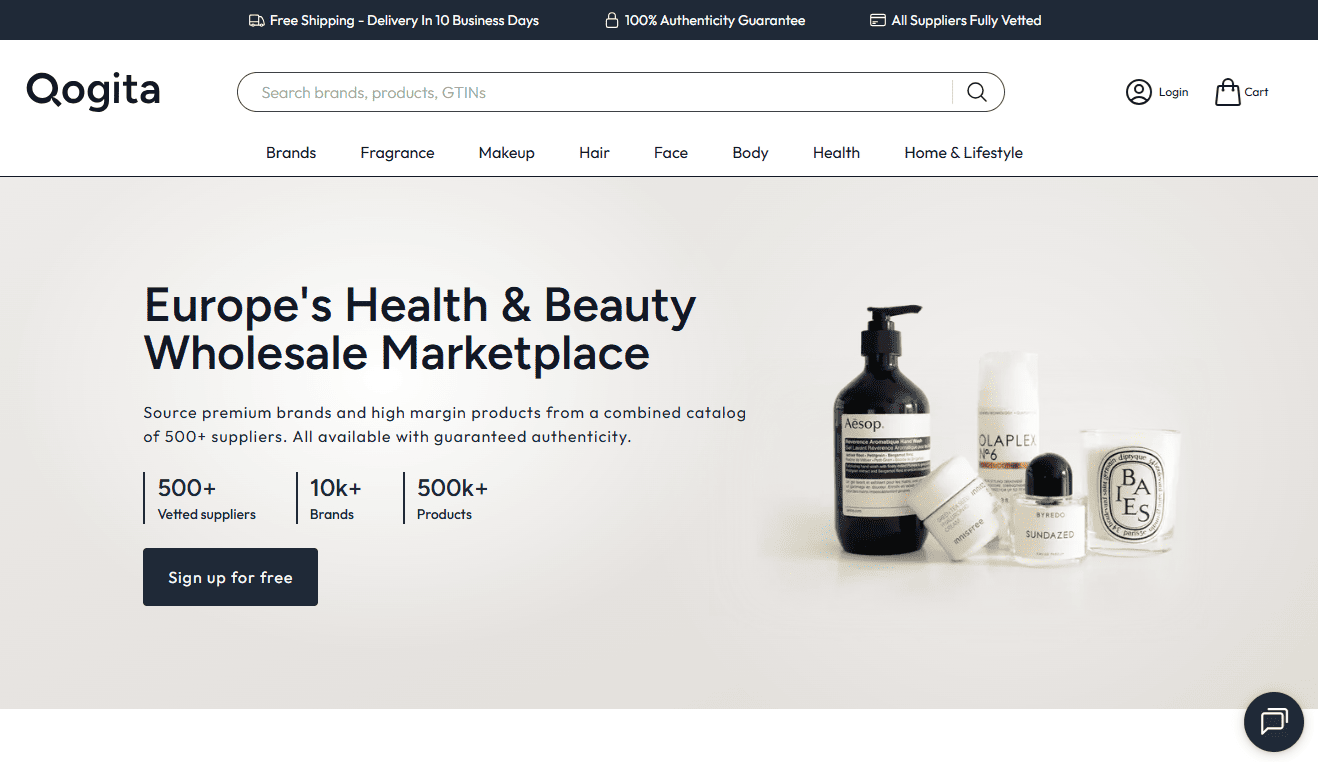
Online B2B wholesale platforms offer immediate access and low commitment, making them ideal for testing new products and scaling quickly.
Qogita is a leading European wholesale marketplace that solves your key sourcing pain points. It is particularly strong in the high-margin Health & Beauty sector.
- Low MOV: Unlike traditional suppliers, which often demand thousands, Qogita orders typically start at a low threshold (e.g., €300), enabling you to test the profitability of multiple SKUs rapidly.
- Quick Access: Gain instant access to a large catalogue from vetted UK wholesale suppliers for Amazon FBA, eliminating the weeks-long application process.
- Compliance Ready: As noted previously, Qogita provides marketplace-compliant documentation (invoices, Chain of Supply letters), which greatly reduces the headache during Amazon ungating applications.
Supplier Vetting: The Amazon Invoice and Partnership Terms
Vetting a supplier is arguably more important than finding them. Amazon's strict policies mean that your entire Amazon business rests on the legitimacy and quality of your supplier’s documentation.
That is why you must know the entire supplier vetting process:
1. The Supplier Vetting Checklist
Before placing your first Amazon FBA wholesale order, verify these crucial points:
- Business Credentials: Ask for the supplier’s VAT registration, company number, and trade references. Genuine UK wholesale suppliers operate officially and maintain full transparency in their business details.
- Brand Authorization: Get written proof that the supplier is an authorized distributor for the brands you plan to sell. This ensures a legitimate supply chain and protects you from sourcing gray-market goods.
- MSRP/MAP Policy: Check if the supplier follows a Minimum Advertised Price (MAP) or Manufacturer’s Suggested Retail Price (MSRP) policy. Brands that protect their pricing also help you maintain healthy profit margins and avoid destructive price wars on Amazon.
- Returns and Damages: Confirm how the supplier handles returns for slow-moving stock or compensates for products damaged in transit to the FBA warehouse. Dependable suppliers provide clear, fair, and reasonable return policies.
2. Financial Vetting: Terms and Credit
- Payment Terms: While new accounts start with an upfront payment, your immediate goal should be to secure Net 30 terms. This means you have 30 days to pay the invoice, allowing you to sell the product via Amazon FBA and collect payment before the invoice is due. This is a huge cash-flow advantage.
- Relationship Building: Consistent, professional ordering is your strongest defence. Suppliers who value your business are less likely to flag you to Amazon and may offer superior terms, volume discounts, or priority access to stock during peak season.
3. The Amazon Invoice Standard
Your commercial invoice serves as the primary proof of authenticity. Even after a supplier account is established, ensure every invoice adheres to these points for maximum compliance:
Fulfillment Methods: Scaling with FBA, FBM, and Amazon Business
Choosing the right fulfillment method is crucial for cash flow and scalability in the Amazon wholesale model. Your strategy should involve a combination of methods to maximise profit and speed.
Fulfillment by Amazon (FBA)
Amazon FBA is the gold standard for scaling an Amazon business. It represents the hands-off approach: you ship your bulk stock directly to Amazon’s fulfillment centres in the UK, and they handle the storage, picking, packing, shipping, and customer service.
FBA unlocks Prime eligibility, which immediately drives higher sales volume and makes it easy to scale without needing more warehouse space or staff.
However, be aware that Amazon’s receiving times can sometimes be slow, potentially delaying when your amazon fba wholesale product goes live and tying up valuable capital.
Fulfilled by Merchant (FBM)
FBM means you store and ship the products yourself, or use a third-party logistics provider. This is often viewed as a strategic cash flow accelerator, particularly for new wholesale accounts.
When launching a new, fast-moving product, list it immediately via FBM while waiting for your bulk stock to be processed by FBA. This allows you to start generating sales and recycling cash flow immediately, which is essential for placing the next order with your UK wholesale supplier.
Pro Tip: Use FBM initially to gauge demand, then transition the majority of your inventory to FBA once proven.
Leveraging Amazon Business
The Amazon Business programme allows Professional Sellers to tap into commercial buyers (other companies, schools, etc.), complementing your B2C strategy.
Wholesale naturally lends itself to bulk selling; by offering quantity discounts and case packs through the Amazon Business platform, you can secure B2B demand and move larger volumes of inventory quickly.
While offering bulk discounts reduces the per-unit margin, the resulting speed and volume of sales often lead to higher overall profit and quicker cash recycling.
Conclusion
The UK Amazon wholesale market still offers plenty of room for sellers who take a thoughtful and professional approach. When you focus on solid product research, proper documentation, and building trust with reliable suppliers, you create the foundation for a business that can grow steadily over time.
With verified B2B platforms making it easier to find authentic stock, now’s a great time to move forward confidently and start scaling your Amazon business.
FAQs
What are the best wholesale products to sell on Amazon?
The best products have high sales volume, stable prices, and low competition (few sellers). Profitable categories include Health & Personal Care, Home & Kitchen, and Toys. For cosmetics, which is a high-margin sector, be sure to check our dedicated guide on "Most Profitable Cosmetic Products To Sell on Amazon."
Where do Amazon sellers buy their products?
Successful Amazon business owners strictly adhere to the official supply chain. They purchase exclusively from manufacturers, primary distributors, or vetted UK wholesale suppliers (Qogita offers instant access to 500+ vetted suppliers). This practice ensures product authenticity and requires verifiable commercial invoices, not retail receipts.
Can I make £1000 a month selling on Amazon?
Yes, absolutely. Achieving £1000 a month selling on Amazon is highly achievable by securing multiple profitable wholesale products. The key is consistent product research and recycling profits to place larger orders, leveraging the scalable nature of the Amazon wholesale model.
How do I set up an Amazon wholesale account?
You first need to register your legal business entity (e.g., Ltd company) and open a Professional Amazon Seller Account. There is no specific 'wholesale' account; you simply use your Professional account and source products from legitimate suppliers. For a complete walkthrough on setup, refer to our detailed guide: "How to sell on Amazon."